
Water Damage Restoration in Grapevine, TX: What to Do Before the Crew Arrives
When a line fails under a slab or a storm backs up a drain, the job is extraction and drying, done fast enough that the water never gets the chance to become a second problem.
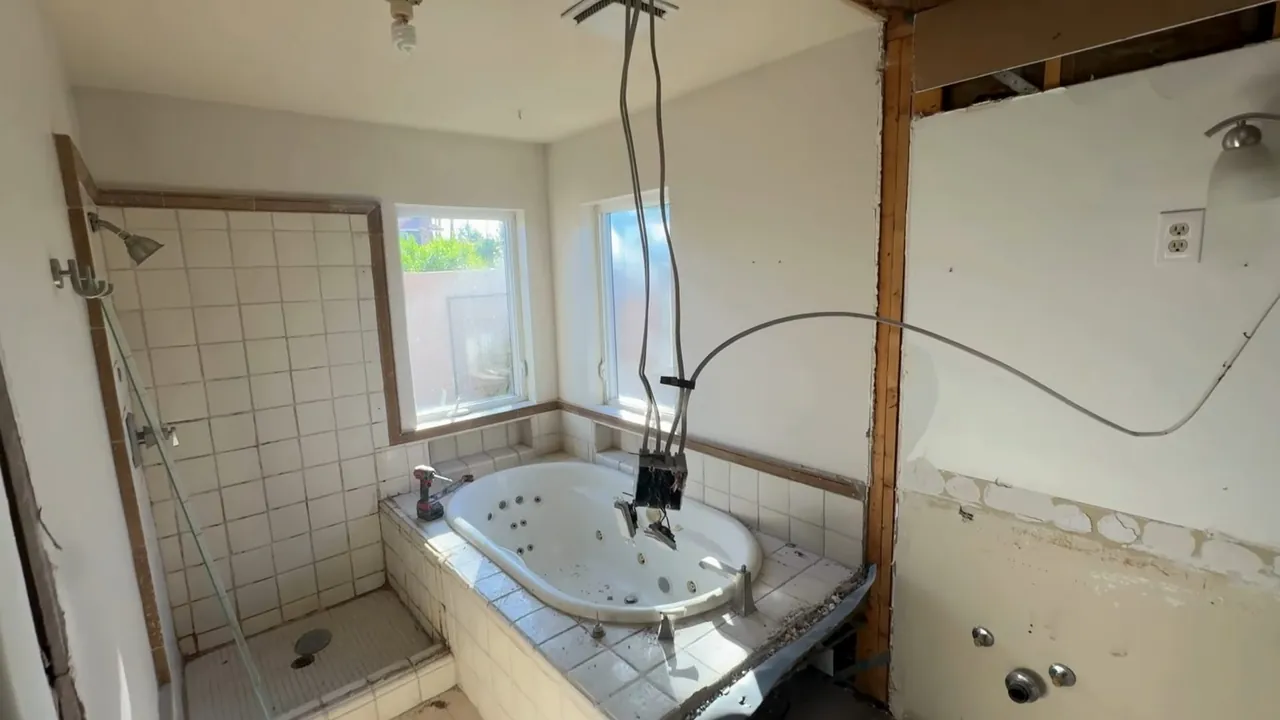
Safe Steps While You Wait: Shut Off Water and Power
- Shut off the water source first, if it is safe to reach. The main valve is usually near the meter or where the service line enters the house.
- Stay out of standing water if it is anywhere near an outlet, switch, or appliance. Shut off power to the affected area at the breaker instead of wading through it.
- Photograph the damage before anything gets moved or cleaned up. Insurance claims move faster with a clear before-cleanup record.
- Do not run a shop vac on water that may be contaminated (a sewer backup, for example). That spreads contamination through the air rather than removing it.
- Move anything you can safely lift, rugs, furniture legs, boxes, off the wet floor. It slows absorption while help is on the way.
Extraction, Drying and What Stays a Rebuild
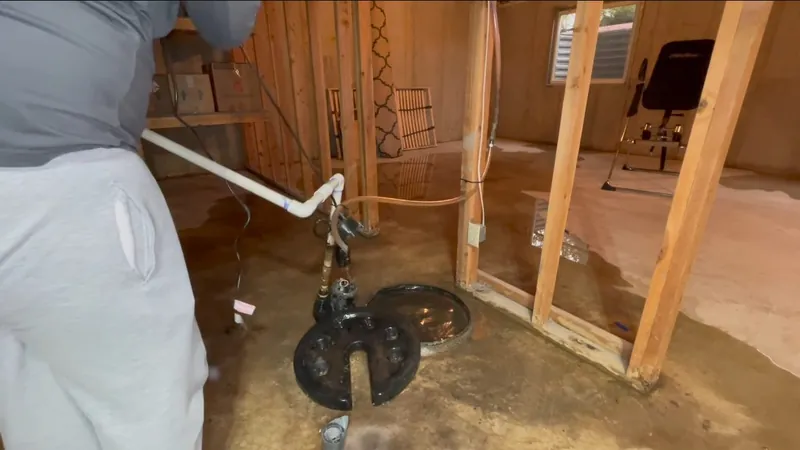
Grapevine sits low against Lake Grapevine and Denton Creek. The same spring storms that fill the lake can drop two or three inches of rain in an hour, enough to overwhelm a yard drain or push a sewer backup into a garage or ground-floor bathroom. Either way, the job starts the same: pull the standing water, then dry the materials with commercial air movers and a dehumidifier. A moisture meter confirms the reading. Nobody is guessing from how the carpet feels underfoot.
This is a water mitigation service: extraction and drying, not rebuilding. Carpet, pad, baseboards, and drywall that took on water get assessed. Hardwood flooring gets its own read, since standing water cupped or buckled boards can sometimes dry and settle back flat if caught within the first day or two, while boards left wet longer usually need to come up. What cannot dry in place comes out so the structure underneath dries properly. New drywall, new flooring, new trim, that rebuild is a separate contractor's job, billed separately from this visit.
If water sat long enough for mold to start, the same visit covers removing the affected material and treating the surface underneath. That is mold remediation in the narrow sense: stripping visible growth off a wall stud or subfloor section after a known water event. It is not a mold inspection or air-quality test, and it will not substitute for one when there is no known leak or flood behind the complaint.
Most residential jobs run one day to a week. A cabinet leak caught early might need a single day of equipment. A slab leak that ran for weeks before anyone noticed can mean pulling flooring across a whole room and running dehumidifiers for five or six days straight. That spread is why the estimate comes after the first walkthrough, never over the phone.
How the Moisture Meter Maps the Damage
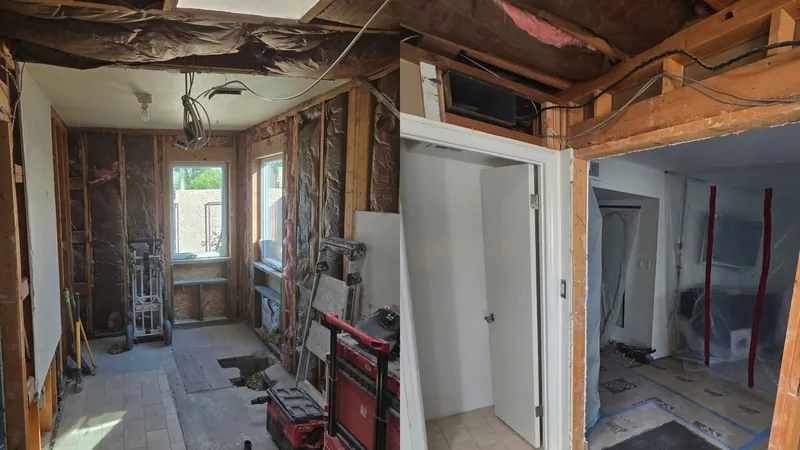
A technician arrives with moisture meters, air movers, and a dehumidifier sized to the affected square footage, not a generic one-size unit. The first step is always the same: confirm the water source is stopped, then map the extent of the intrusion room by room with the meter rather than by eye, since wicking under baseboards and inside wall cavities often extends well past the visibly wet area. Equipment is set and monitored over several days with return visits to confirm moisture readings are actually dropping, not just placed once and left running on a guess.
Storm Backups and Lake-Release Groundwater
Grapevine's housing stock runs from 1970s ranch homes near Dove Road to newer construction out toward the lake, and the older half of that mix still has galvanized or early-generation copper supply lines that fail quietly behind a wall before anyone notices the ceiling has gone soft. Add a Tarrant County spring storm on top of that, and the two most common water-damage calls we get are a slow supply leak discovered only once it has traveled, and a sewer backup during heavy rain when the lateral cannot keep up with the volume.
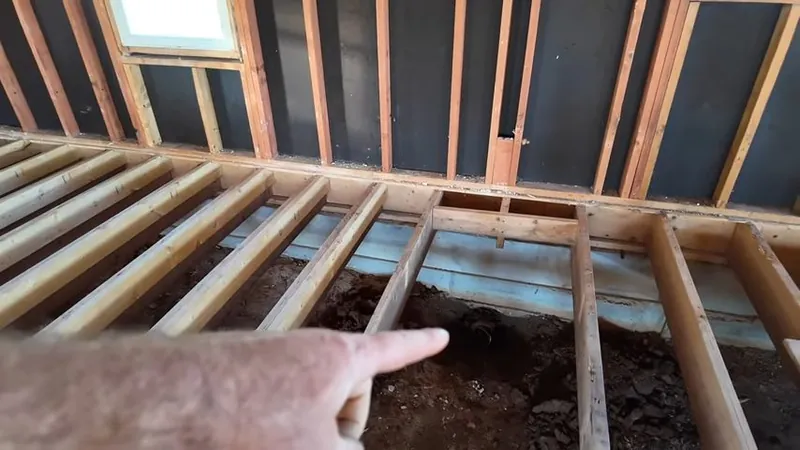
Grapevine Lake's own managed releases add a wrinkle most homeowners never think about until it affects them: when the Army Corps raises outflow after a wet stretch, groundwater along Denton Creek and the lower-lying streets near the marina stays elevated for days afterward, which means a crawlspace or a low garage slab can keep taking on moisture well after the rain itself has stopped. That lag is why a water-damage call sometimes comes in on a clear, sunny day, days after the storm that actually caused it.
Active Leak or Sewer Backup: Find the Source Before Drying
If the water is still actively coming from somewhere, that is a leak detection call first so the source gets found and stopped, and a sewer line call if a backed-up lateral is the cause. This page picks up once the source is addressed and the standing water needs to come out.
Heavy Rain, Humidity and Sewer Drains
How does high humidity and heavy rainfall impact plumbing and sewer drains in Grapevine?
Heavy rain in Grapevine raises local water tables and can overwhelm municipal sewers. Install an exterior backwater valve and keep storm cleanouts clear to prevent sewage backflow.
Documenting Water Damage Before Anything Is Removed
The insurance claim often depends on what was recorded before cleanup began. A few minutes of documentation protects the claim.
- Photos and video of every affected room before anything is moved.
- A list of damaged items with approximate age and where each was bought.
- The time the water was found and the time the source was stopped.
- Receipts for emergency costs such as fans, hotels or removal services.
- A call to the insurance company before large repairs begin.
Water damage work here covers removal and drying, so ask early who will handle the rebuild afterward.
Nearby Towns We Serve From Grapevine
Based in Grapevine, this crew also covers Southlake, Colleyville neighborhoods, Coppell neighborhoods, and the rest of the nearby Tarrant County service area. Call with your ZIP code and the dispatcher will confirm whether an address is covered. The service area page lists the towns with their own pages.