
Water Leak Detection in Grapevine, TX: Bill Spikes, Hissing Walls and Recurring Stains
A leak with no obvious source. We find it with acoustic, thermal, or electronic equipment first, so nothing gets opened up on a guess.
Hidden Water Leak: Three Signs That Send People Here
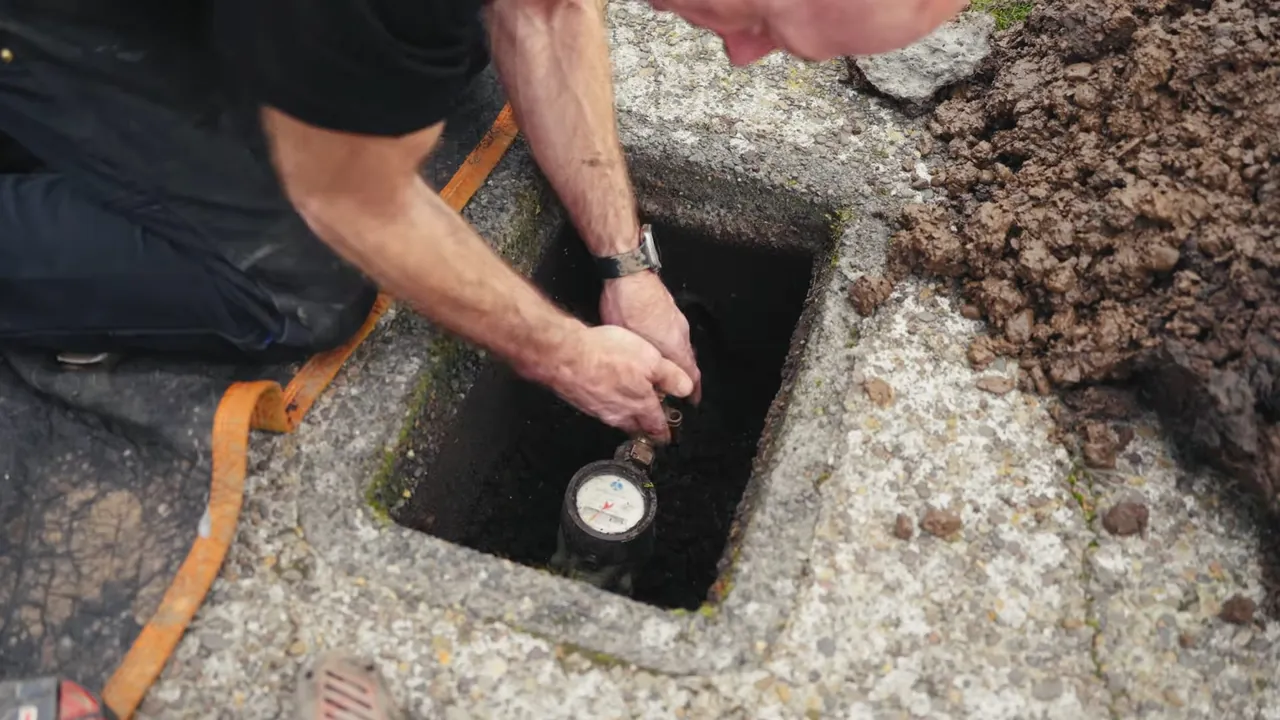
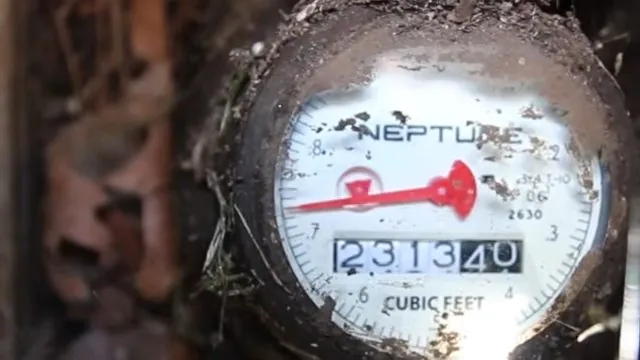
Three signals send most people to this page: a water bill that jumped with no change in use, a hissing sound behind a wall when every tap is off, or a ceiling stain that keeps coming back after it dries. All three start the same way. Every fixture gets shut off, and the water meter gets watched. If the dial keeps turning with nothing running, water is leaving the system somewhere. That single test runs before any equipment comes off the truck.
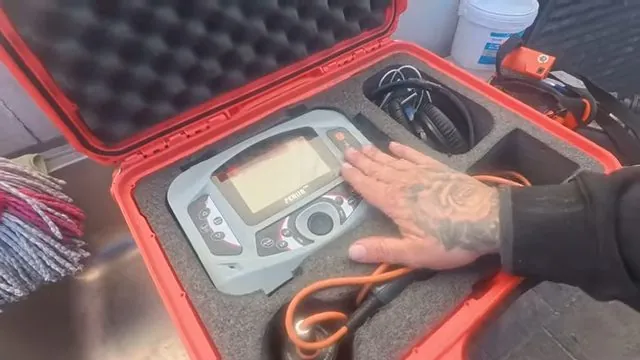
Where the search goes next depends on the evidence. A ceiling or wall leak gets a moisture meter first, then thermal imaging if the temperature behind the drywall needs a closer look. A yard leak, often a service line or a sprinkler line, gets traced with an acoustic listening disc along the run. A leak near a gas appliance connection is a different job entirely: a combustible-gas detector, not water-focused tools, because the stakes change.
A ceiling stain is not automatically a plumbing problem, and the first useful thing this visit does is rule a roof or gutter source in or out before any wall gets opened. A stain that only appears or spreads during or right after rain, especially near an exterior wall or below a roof valley, usually points to the roof or a clogged gutter backing up under the shingles, not a supply line. A stain that shows up regardless of weather, especially near a bathroom or kitchen directly above, points to plumbing. That distinction alone saves a homeowner from paying to open a wall that a roofer should have looked at first.
Pool and spa leaks and basement leaks each need their own read. A pool losing more than an inch of water a week, beyond what evaporation explains, usually means a crack or a failed fitting somewhere in its own plumbing loop, not the deck or the liner. A basement leak can be groundwater pushing through the foundation, or it can be a plumbing leak draining to the lowest point in the house. Telling those two apart is often the single most useful thing this visit does, since the fix for one is a foundation contractor and the fix for the other is a pipe repair.
This is a detection service first and a repair service second. Once the leak's location and cause are confirmed, a simple fixture connection sometimes gets fixed on the same visit. A bigger repair gets handed to whichever page actually owns that fix, with the finding explained plainly before anyone leaves.
Commercial leak calls run the same detection process, with one real difference: a strip-center or office building usually has someone watching the water bill closely enough to catch a change fast. That means a commercial leak often gets reported sooner, relative to how long it has actually been running, than the same leak would at a house.
A standard detection visit, meter test plus acoustic or thermal tracing, usually runs $200 to $400 and finishes within a couple of hours once the method is chosen. A pool leak search, which involves pressure-testing separate plumbing loops for the skimmer, return, and any water feature, typically takes longer and runs toward the higher end of that range given the extra equipment and loops involved.
Meter Test First, Then the Right Method
The visit starts with a few questions: when the problem first showed up, and whether the water bill actually moved. That history narrows the search before any equipment comes out. The meter test runs first almost every time. From there the method, acoustic, thermal, or a dye test for something like a toilet, gets picked based on where the evidence points, not applied as a default routine. Once the leak is pinpointed, we explain the finding plainly, including who handles the fix if it is not a same-visit repair.
Copper Pinholes, PEX Failures and Irrigation Leaks
Grapevine runs on a mix of older copper and newer PEX supply lines, and that split shows up directly in the calls we get. Copper pinhole leaks show up slow, a stain that grows over weeks. A PEX fitting failure shows up fast and obvious, usually within a day of starting.
Irrigation leaks deserve their own mention. An unusually green or soggy patch on an otherwise dry Texas lawn, especially one that follows a buried sprinkler line, is one of the most common yard calls we take, and it gets the same acoustic test as a service-line leak rather than a guess about a bad sprinkler head. Homes near Lake Grapevine and Denton Creek add a wrinkle: a naturally higher water table on those low-lying streets can mimic a leak, a damp crawlspace or soggy yard with no plumbing cause at all. That is exactly why the meter test matters even when the visible evidence looks obvious.
Slab, Single-Fixture and Gas Leaks Go Elsewhere
A leak confirmed under a slab moves to slab leak work. A leak at one fixture, a faucet, a shower valve, a sink connection, is usually a faster faucet repair visit instead of a full detection search. A gas smell or a suspected gas leak goes straight to Gas Line Repair, not this page.
What to Have Ready for a Leak Search
The more history a technician has, the fewer places they need to search. Gathering these items before the visit usually shortens it.
- The last few water bills, with the dates when the usage jumped.
- A meter reading before and after a half hour with every fixture off, noting whether the dial moved.
- Where and when you saw a stain, a damp spot or a sound, and whether it changes after rain or with the irrigation on.
- Any recent work on the house, such as a remodel, a water heater swap or a fence post dug near the line.
- Whether an irrigation system shares the same meter.
Leak Calls Beyond Grapevine
Coverage radiates out from Grapevine to include Flower Mound homes, Colleyville, TX, Hurst, TX and the towns between them. Call with your ZIP code and the dispatcher will confirm whether an address is covered. The service area page lists the towns with their own pages.