
Water Heater Repair in Grapevine, TX: Popping, No Hot Water or Time to Replace?
Elements, thermostats, anode rods, and gas valves diagnosed on both tank and tankless units, with a straight answer on whether the unit is worth repairing or not.
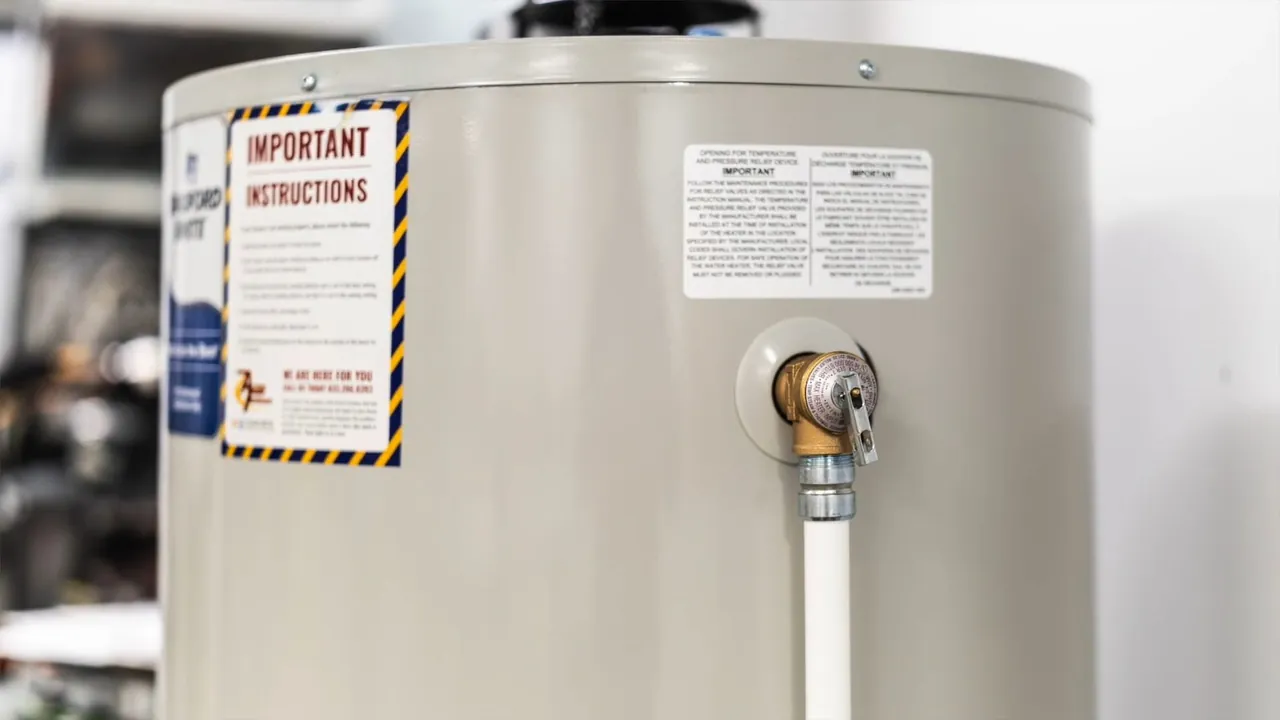
Popping, Crackling and Sediment Buildup
A water heater popping or crackling is not dangerous on its own. That sound is water trapped under a layer of sediment on the tank floor, flashing into steam and forcing its way out, a sign of mineral buildup that is close to universal here given how hard the water runs. A flush usually quiets it and restores some lost capacity. Add water at the base of the tank to the popping, and that stops being a maintenance issue and becomes a repair call that should not wait.
No hot water at all points in different directions depending on fuel type. On a gas unit, the pilot, thermocouple, or gas valve are the usual suspects, each quick to isolate with the right test equipment. On an electric unit, it is almost always the breaker, the thermostat, or a dead upper element, since the lower element alone cannot bring a full tank up to temperature. Either diagnosis happens in one visit, with the part replaced on the spot when it is in stock on the truck.
This page covers repair of an existing tank water heater, not a new install or full replacement, and not a tankless system, which has its own components and failure points. A unit nearing the end of its realistic service life gets told as much rather than repaired again for the sake of it. There is a real cost argument for replacement at a certain point, and that conversation happens honestly.
A standard 40 to 50 gallon tank runs 8 to 12 years under Grapevine's water conditions, shorter than the number printed on a nationally-averaged warranty card, because that figure assumes softer water than what actually runs through most of this city's supply. A unit already past that window that develops a leak at the tank itself, not a fitting, is usually a replacement conversation, since a leaking tank cannot be patched the way a failed component can.
Most single-part repairs, a thermocouple, a heating element, a thermostat, run in the $150 to $450 range including the part and the visit, with the exact number depending on the fuel type and which component failed. A full tank flush to clear sediment buildup runs lower than that, and it is worth scheduling on its own roughly once a year in this water supply rather than waiting for popping sounds to force the issue.
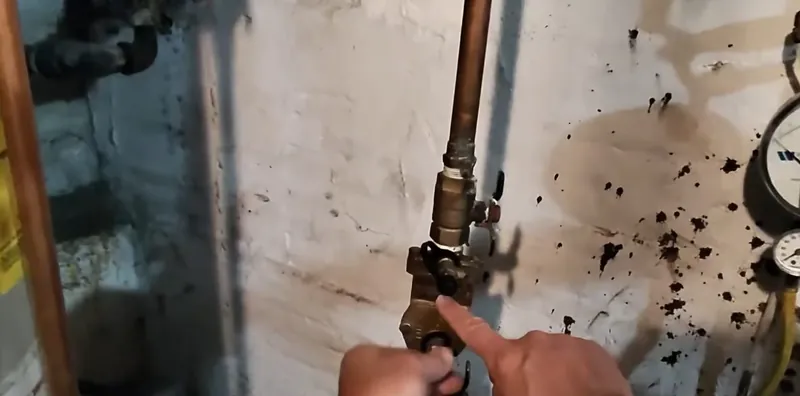
Symptom First: How the Diagnosis Runs
Diagnosis starts with the fuel type and the exact symptom: no hot water at all, lukewarm water that runs out quickly, a popping sound, or visible water at the base. Each of those points to a different, specific test rather than a generalized inspection, and the part causing it is usually confirmed and replaced in the same visit when it is a common stock item like a thermocouple, an element, or a thermostat. If the tank itself has failed rather than a component, that gets said plainly rather than quoted as another repair. Most common-part repairs are finished in a single visit, since the frequent failure points on both gas and electric tanks are carried on the truck rather than special-ordered.
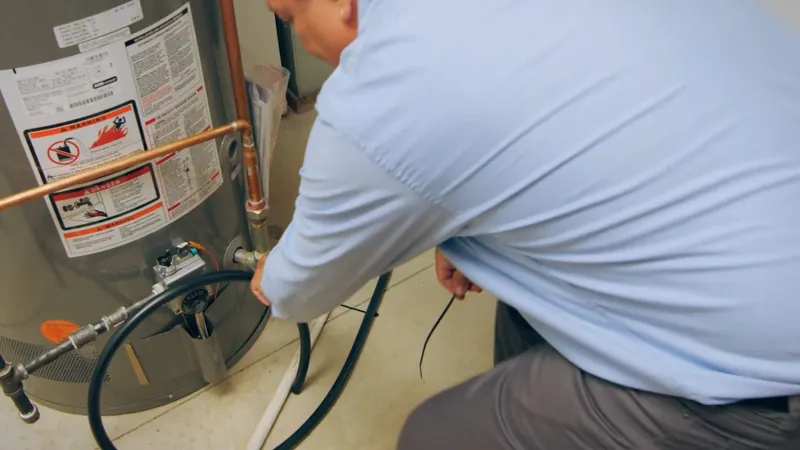
Hard Water and Why Heaters Fall Short of Their Label
Mineral buildup is a common factor behind water heater failures, and Grapevine's water is moderately hard to hard by the city's own report. Mineral content shortens element life, insulates the tank from its own burner or heating element, and is the single biggest reason a water heater here rarely reaches the service life printed on its own warranty label without at least one flush along the way.
Garage-installed tanks, common in the ranch-style homes built through the 1970s and 1980s near Dove Road, face a second stress most newer builds do not: summer garage temperatures in North Texas regularly climb well past what the unit's insulation and electronics are rated for comfortably, which shortens component life on top of whatever mineral buildup is already doing to the tank from the inside.
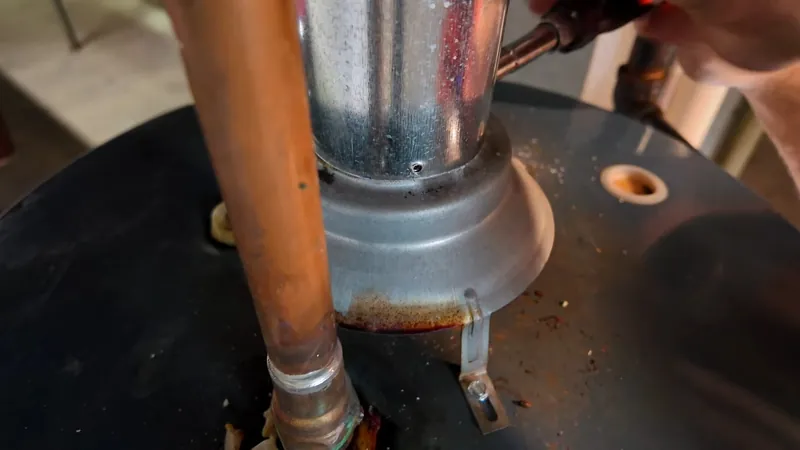
How Long a Grapevine Tank Should Last
How long do standard water heaters last in Grapevine, TX?
Traditional tank water heaters in Grapevine generally last 8 to 12 years, while tankless units can operate for 18 to 25 years with annual descaling maintenance. Aging tanks with rumbling noises or rust in hot water typically require replacement rather than repair.
When Replacement or Tankless Is the Better Page
A unit beyond repair, or a household wanting to move to tankless, is tank water heater installation instead of this page, and a tankless unit's own specific issues are covered on tankless water heater.
What to Ask Before Approving a Water Heater Repair
A repair makes sense when one part has failed on a tank that is otherwise sound. A few questions help tell that case from one where replacement is the better value.
- How old is the heater? The serial number on the label usually reveals the year.
- What failed: an element, a thermostat, a gas valve, an anode rod or the tank itself? A leak from the body of the tank generally means replacement.
- Does the repair include a flush if sediment is part of the problem?
- What warranty covers the new part and the labor?
- If replacement is the answer, is the permit part of the quote? The City of Grapevine's permit guide lists water heater replacement as permit work, and its Building Inspections line is 817-410-3165.
A photo of the rating label on the heater, plus a note of any error codes or sounds, helps the dispatcher decide whether a repair visit is likely to fix it.
Water Heater Calls Outside Grapevine
Crews working out of Grapevine also run routes into the Southlake area, Bedford neighborhoods, Colleyville, TX throughout the week. Call with your ZIP code and the dispatcher will confirm whether an address is covered. The service area page lists the towns with their own pages.