
Tankless Water Heater Service in Grapevine, TX: Is Your Gas Line and Flow Rate Ready?
On-demand hot water with no storage tank, sized to the home's actual fixture count and installed with the gas line and venting the unit actually needs to run safely.
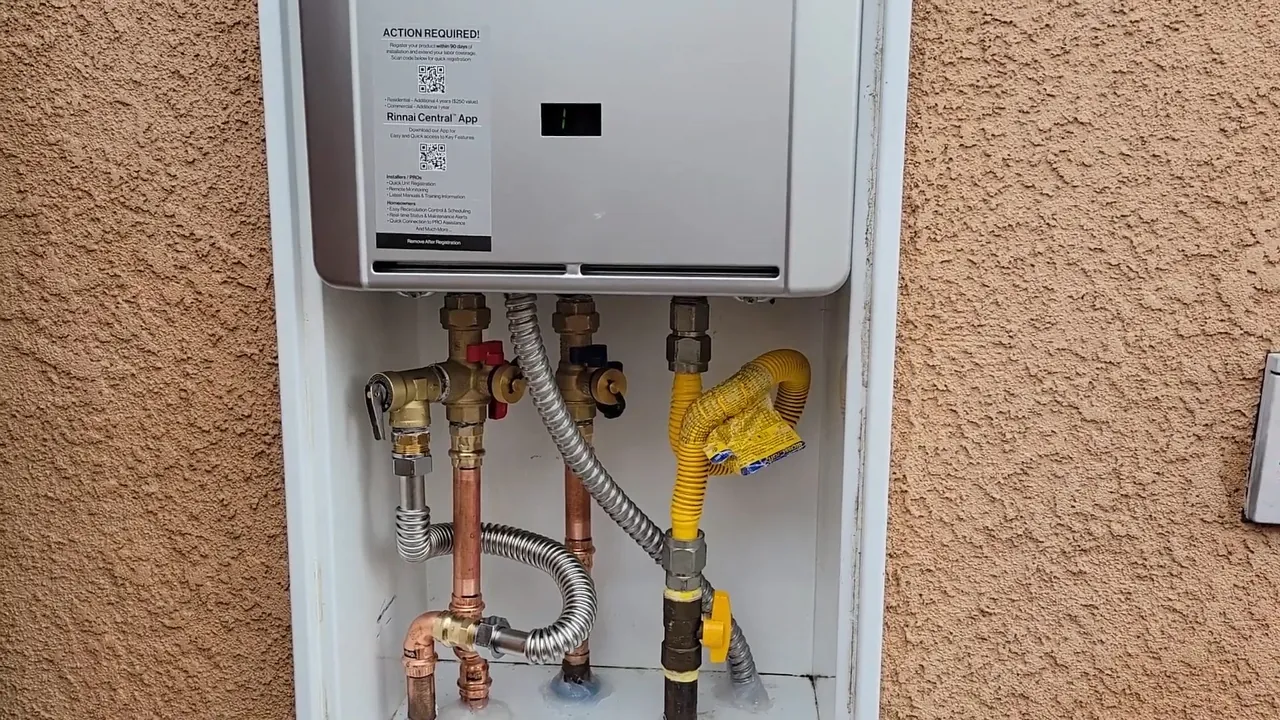
Sizing for Simultaneous Use and Gas Flow
A tankless unit heats water as it passes through instead of storing a tankful in reserve. That makes an undersized unit the single most common complaint on a new install, usually a unit picked by price rather than the home's actual simultaneous-use demand. Running a shower and the dishwasher at once takes real flow-rate capacity, and that math gets done at the quote stage against the specific fixtures in the house, not guessed from square footage. A Grapevine tankless water heater is only as good as the gas line and flow rate behind it, which is why the first visit checks both.
Gas-fired tankless units need meaningfully more gas flow than a standard tank heater. The existing gas line gets checked for adequate sizing before the install is quoted, not after the unit is already mounted. A line too small for a new tankless unit needs upsizing as part of the job, and that scope gets flagged at the estimate, not discovered partway through.
Venting is different too. A gas tankless unit generally needs its own dedicated stainless steel venting, rated for the higher-efficiency, higher-temperature exhaust it produces. That path, through a wall or up through the roof, gets planned around the home's actual layout, not assumed to match wherever the old tank's vent happened to run.
Point-of-use and under-sink tankless units are a smaller-scale version of the same technology, sized for a single fixture instead of the whole house. They are a common answer for a bathroom or guest suite far enough from the main water heater that hot water takes too long to arrive, without re-piping the whole house to fix a distance problem.
Converting from tank to tankless also means giving up the recovery buffer a tank provides: continuous hot water, traded for a flow-rate ceiling instead of a volume ceiling. A correctly sized unit handles normal household use fine, but running two high-flow fixtures at once past its rated capacity still drops temperature or flow, same as undersizing any fixed-capacity system. That trade-off gets explained plainly at the estimate, not glossed over.
A whole-house gas tankless conversion in this market, including any needed gas line upsizing and new venting, typically runs $3,500 to $5,500 installed, higher than a standard tank swap but offset over time by lower fuel use and a longer service life, often 15 to 20 years against a tank's 8 to 12. A point-of-use unit for a single remote bathroom runs well under that, usually in the $600 to $1,200 range.
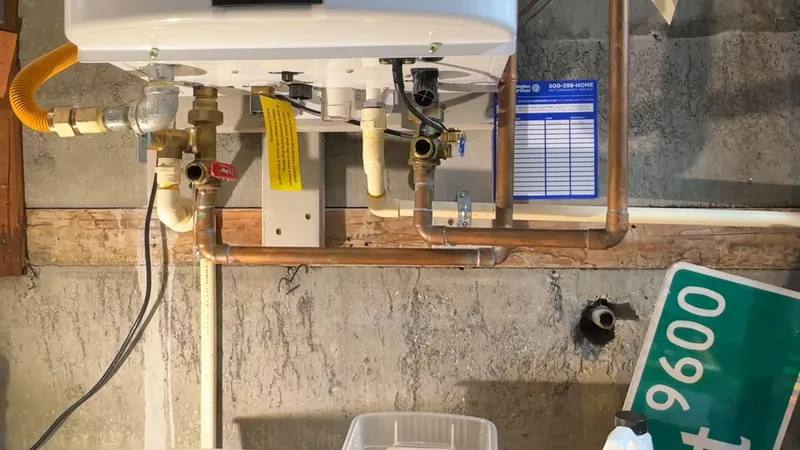
Fixture Count, Gas Line, Venting and Error Codes
A new-installation visit starts with a fixture count and a look at the existing gas line and venting, since both often need upgrading as part of a tankless conversion rather than staying as-is. A repair visit on an existing unit typically starts with a check of the error code the unit is displaying, since most tankless systems report a specific fault code that narrows the diagnosis immediately rather than requiring a broader inspection. Where the issue traces back to scale buildup rather than a failed component, a descaling flush is performed on the spot and the maintenance schedule going forward is reviewed so the same failure does not repeat.
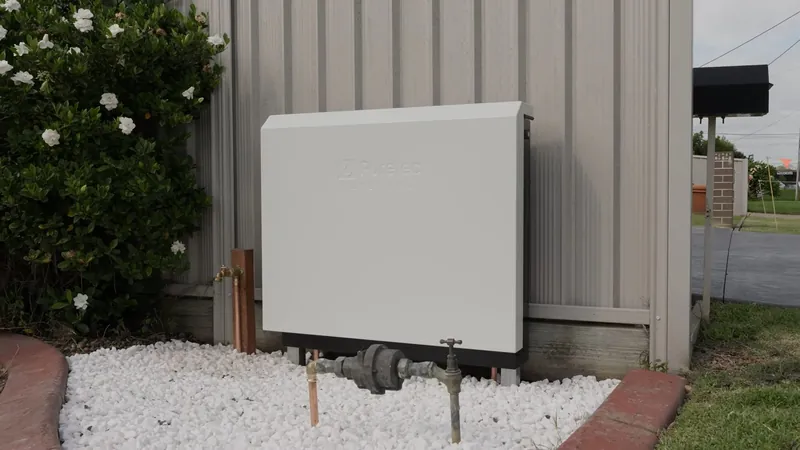
Hard Water, Scale and the Maintenance Schedule
Mineral scale is a major maintenance factor for a tankless unit, and Grapevine's water is moderately hard to hard by the city's own report, since mineral scale builds up inside the unit's narrow heat exchanger passages faster than it would in a standard tank's larger reservoir, and an unmaintained unit can lose efficiency as scale builds up, which is why descaling on the maker's schedule matters. That difference is explained clearly at installation so a household is not caught off guard by reduced output a year or two down the road.
That maintenance need is explained at installation, not discovered later as a surprise: an annual or semi-annual descaling flush with a mild acidic solution run through the unit's isolation valves is the standard recommendation for any tankless system on Grapevine's water supply, and skipping it is the most common reason a tankless unit underperforms its rated efficiency within the first few years. A household pairing a new tankless install with a whole-home softener tends to see noticeably longer stretches between descaling visits, since softened water simply does not deposit scale the way untreated moderately hard to hard water does.
Tank Heaters Belong on the Repair and Install Pages
This page covers tankless units specifically, point-of-use and whole-house gas or electric systems. A traditional tank water heater, whether being repaired or replaced, belongs on Water Heater Repair or Water Heater Replacement instead.
Gas, Venting and Permit Questions for a Tankless Swap
Replacing a tank with a tankless unit changes the gas, the venting and often the electrical supply. The City of Grapevine's published FAQ says that replacing a water heater requires a permit, even for a homeowner, and gives Building Inspections at 817-410-3165. Confirm the rule for your own city before work starts.
- Can the existing gas line carry the larger load a tankless unit draws, or does the pipe need to be upsized?
- What type of vent is required, where will it exit the house, and does it clear windows and other openings?
- Does the unit condense, and where will the condensate drain go?
- Is there an outlet nearby for the unit's controls, and does anything in the plan need a new circuit?
- Will isolation valves be installed so the heat exchanger can be flushed later?
A tankless heater lasts longest when it can be descaled on schedule, so ask for the valves and the maintenance interval in writing.
Tankless Calls Beyond Grapevine
The Grapevine team extends regular service to Southlake homes, Colleyville homes, Euless addresses as well. Call with your ZIP code and the dispatcher will confirm whether an address is covered. The areas we serve page lists the towns with their own pages.