
Sewer Line Repair in Grapevine, TX: Cleaning, Spot Repair, Lining or Excavation?
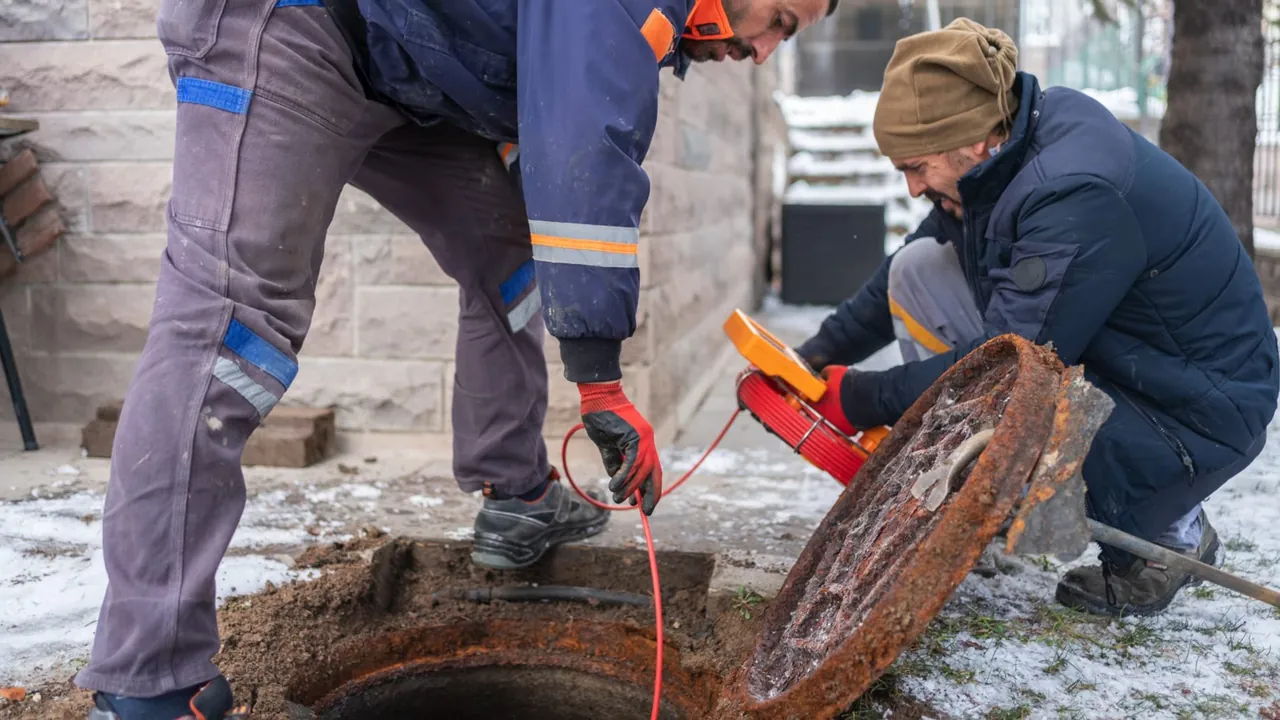
A camera run down the line first, so the repair matches what is actually wrong with the pipe rather than a guess based on symptoms at the house.
Slow Drains, Gurgles and What They Don't Tell You
A sewer lateral problem usually shows up first as a slow or gurgling drain on the lowest fixtures, a toilet that backs up when the washing machine drains, or a yard cleanout that overflows during heavy use. None of those symptoms says on its own whether the fix is a cleaning, a spot repair, or a full replacement. That is why the first real step on any sewer call is a camera inspection, not digging based on a guess.
Not every call on this page ends in a repair. A main line that is simply slow, with no visible damage on camera, often just needs a full-length snaking or cleaning pass from the cleanout to clear roots and buildup along the whole lateral rather than one branch. That runs well under the cost of a repair, and it is the first thing tried whenever the camera shows a clear but restricted pipe.
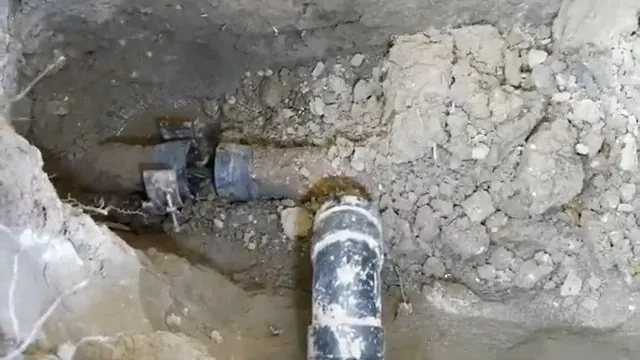
Cast iron and clay laterals under Grapevine homes built before the 1980s are the ones most likely to need more than a cleaning. Cast iron corrodes from the inside over decades, shrinking the usable diameter well below its original size. Clay joints are a known entry point for tree roots hunting for moisture. Both show up clearly on camera, and neither gets fixed for good by a cable alone, since the underlying pipe damage is still there once the blockage clears.
Once the camera shows the line's actual condition, there are two honest options: a full open-trench replacement that excavates and replaces the old pipe, or a trenchless lining method that forms a new pipe inside the old one with no digging. Pipe material, depth, and how many bends the line has all decide which method actually applies, not which one sounds less disruptive.
Work that reaches the part of the lateral under the street or inside city right-of-way needs coordination with Grapevine's public works permitting before any excavation starts. That permitting step is handled as part of the job on any lateral repair that extends that far, not left for the homeowner to chase down separately.
Commercial and multifamily sewer lines carry a different risk profile than a single-family lateral. They handle more daily volume and are more likely to pick up grease and solid waste from a kitchen or several units feeding the same line. A restaurant or apartment property on this page's service list typically needs camera inspection and cleaning on a standing schedule, not just a response once it backs up.
A standard camera inspection alone, no repair, usually runs $200 to $400 and takes under an hour. A full open-trench replacement of a 40 to 60 foot residential lateral typically runs $4,000 to $9,000 depending on depth, soil, and what landscaping or hardscaping sits above the line, with trenchless lining running in a similar or somewhat lower range on a line that qualifies for the method.
Reading the Camera Footage Together
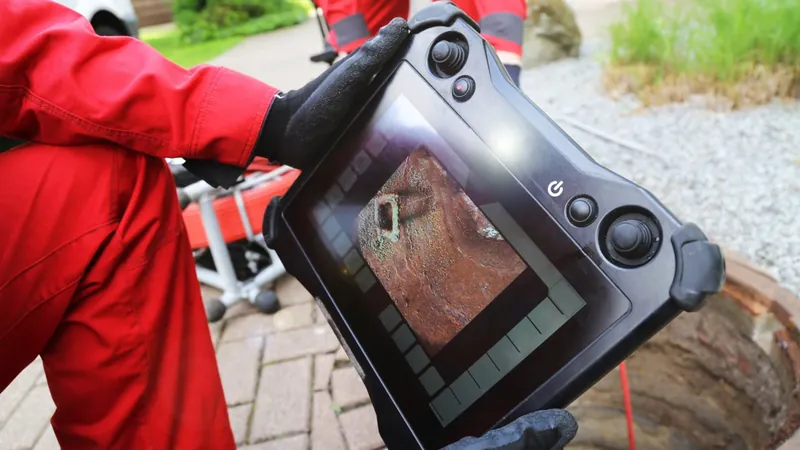
A sewer camera inspection is the starting point of almost every visit on this page, recorded footage included, so the proposed fix can be shown rather than just described. From there, the choice between a cleaning, a spot repair, a trenchless lining, or a full excavation is walked through with the footage as the reference point, and permitting needs for any work extending into the city right-of-way are flagged at that same visit rather than discovered midway through the job. A copy of the camera footage is available on request, which is often the same documentation an insurance claim or a future buyer's inspection ends up asking for.
Single-Fixture Clogs and No-Dig Options
Interior drain clogs confined to a single fixture or branch line stay on drain clog removal. A line that is a strong candidate for a no-dig fix gets a deeper look at the trenchless method itself on trenchless pipe lining, which covers that comparison in more depth.
Clay and Cast Iron Laterals in the Older Streets
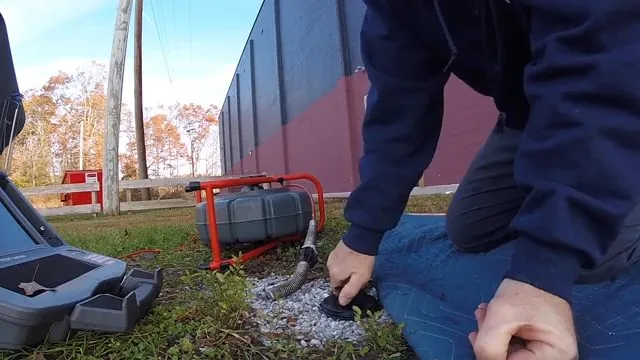
Grapevine's older housing stock, concentrated closer to Historic Main Street and the neighborhoods that grew up around the original townsite, carries a disproportionate share of the clay and cast iron lateral calls in this service area, simply because those materials were standard at the time those homes were built and have had the most decades to deteriorate.
Mature tree canopy throughout the older parts of the city is the other half of the pattern. A lateral running under or near a large, decades-old tree is at meaningfully higher risk of root intrusion than the same pipe material would be in a newer subdivision with younger, smaller landscaping, which is part of why a repeat clog on an older property often turns out to be a lateral issue rather than a simple drain problem once the camera actually goes down the line. Properties near Lake Grapevine and Denton Creek also see a higher water table during wet stretches, which can put extra hydraulic pressure on an already-compromised lateral and turn a slow drain into a full backup faster than it would on higher, drier ground.
Before You Approve a Sewer Repair
A sewer repair is expensive enough that the paperwork matters. These requests are reasonable before any digging begins.
- The camera footage showing the defect, along with the distance from the cleanout to the problem.
- A written scope that says whether the plan is a spot repair, a lined section or a full replacement, and how many feet it covers.
- A note on whether the cleanout will be added or upgraded.
- An explanation of where the property's pipe ends and the city's begins. The city's utility department can confirm where its responsibility stops.
- The restoration plan for the lawn, the driveway or the landscaping.
Sewer Calls Beyond Grapevine
From the Grapevine shop, trucks run out to Coppell homes, the Lewisville area, the Southlake area as a normal part of the day. Call with your ZIP code and the dispatcher will confirm whether an address is covered. The full coverage list shows the towns with their own pages.