
Trenchless Pipe Lining in Grapevine, TX: Can Your Pipe Be Relined Without Digging?
A new pipe formed inside the old one through an existing access point, no trench across the yard or driveway, for a sewer lateral or a slab line that is a good candidate for the method.
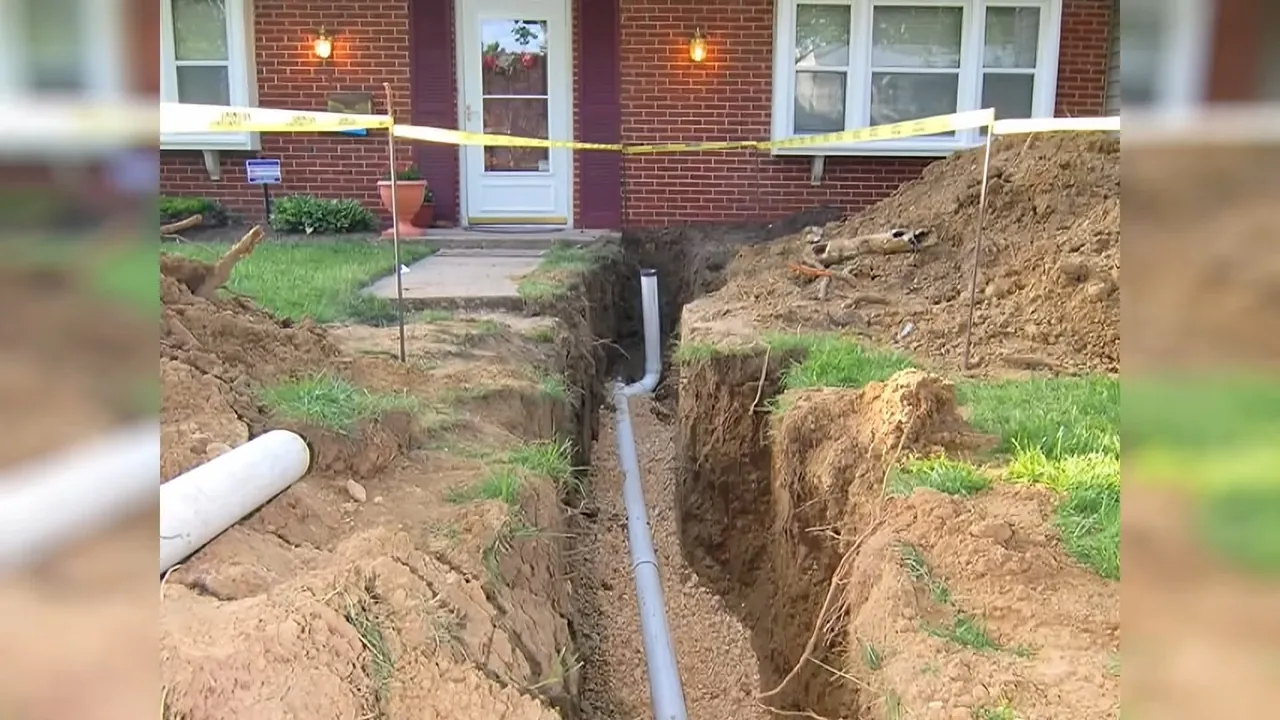
How Cured-in-Place Lining Works Without a Trench
Trenchless pipe lining, also called cured-in-place pipe or CIPP, pulls a resin-saturated liner through the existing damaged pipe and cures it in place, forming a new pipe wall inside the old one with no excavation along its length. For a sewer lateral under a mature yard, a driveway, or a patio, the repair happens through one or two access points instead of tearing up everything in between. That is the main reason the method gets requested by name, not just offered as an option. Trenchless pipe lining and relining in Grapevine starts with a camera inspection to confirm the existing pipe can take a liner.
Not every line is a good candidate. The method works best on a pipe deteriorated along its length, corrosion, root intrusion, minor cracking, but still structurally intact enough to support a liner. A pipe that has fully collapsed, is severely offset at a joint, or has a diameter choked down by scale past a workable threshold usually needs open excavation instead. That call gets made from camera footage, never assumed to apply universally.
The same no-dig principle applies to a slab leak repair that chooses rerouting over a spot repair. Instead of core-cutting into the slab repeatedly, a trenchless-style reroute brings new pipe through the attic and down the walls, bypassing the slab run entirely. That overlap is intentional: it is the same underlying method applied to a different kind of line, and a homeowner weighing a slab reroute against open-slab repair benefits from seeing both pages.
Cost comparison between trenchless and open-trench depends heavily on what sits above the pipe. A line under an empty side yard gains little from trenchless pricing. A line under a driveway, a mature tree, or hardscaping expensive to restore after excavation tips the math clearly toward trenchless, even at a higher per-foot material cost.
The lined pipe's interior diameter ends up slightly smaller than the original once the liner cures, which matters on a line already undersized or heavily restricted before the repair. That reduction gets checked against the line's actual flow needs before trenchless gets recommended, since a liner that fixes the structural problem but leaves a flow problem behind is not the right call for every line.
A typical single-lateral lining job, one or two access points and a run of 40 to 80 feet, usually finishes in a single day once the camera work and access digging are done, with the cure time for the resin liner built into that same visit. Longer runs or a line with multiple bends can stretch that to two days, and that timeline gets set at the estimate once the camera footage shows the actual length and condition.
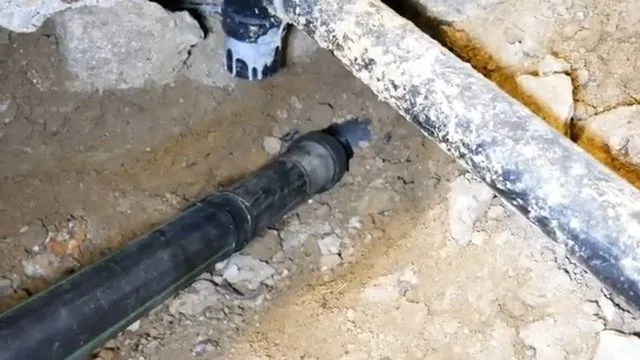
Camera First: Is the Pipe a Lining Candidate?
A camera inspection is the first step on every trenchless conversation, since the decision depends entirely on what the existing pipe actually looks like inside, not on a general preference for a no-dig method. Where trenchless is a fit, the liner is sized to the existing pipe's diameter and length, pulled through the access points, and cured, with a follow-up camera pass confirming full coverage before the job is considered complete. Where the camera shows the line is not a good trenchless candidate, that gets explained plainly along with what the open-trench alternative would involve, rather than attempting a method that would not actually hold up.
Trenchless Lining for Mature Yards, Trees and Driveways
Grapevine's older neighborhoods, with decades-established landscaping and driveways that would be costly to tear out and replace, are where trenchless methods get requested most often in this market, since the alternative, open-trench excavation through mature trees and established hardscaping, carries real restoration costs beyond the pipe repair itself.
Properties near Lake Grapevine and the older sections closer to Historic Main Street, where clay and cast iron laterals are more common, tend to be strong trenchless candidates specifically because those materials fail in the gradual, along-the-length pattern that a liner handles well, rather than the sudden structural collapse that sometimes rules the method out. A homeowner who has already had one spot repair on an older lateral and is weighing whether to keep patching it or address the whole line is a common trenchless conversation in this part of the city.
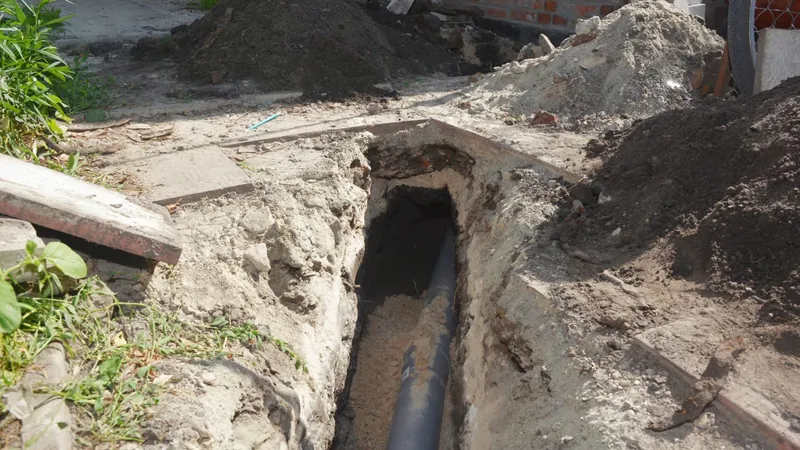
Open-Trench Repair and Slab Spot Repairs Go Elsewhere
This page covers the trenchless method itself, applied to either a sewer lateral or a slab reroute. The underlying sewer line condition and traditional repair options are covered in more depth on sewer lateral repair, and slab-specific repair, including the spot-repair alternative to rerouting, is covered on slab leak repair.
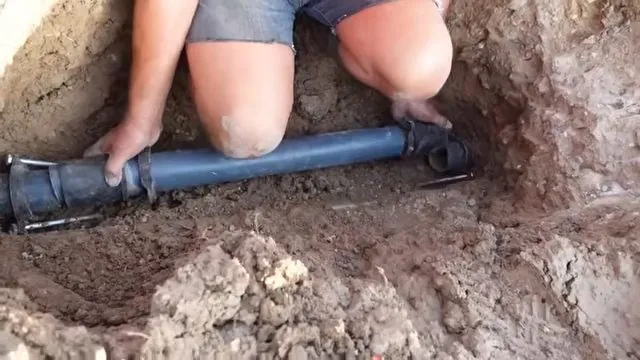
Questions to Ask About a Lining Proposal
Pipe lining avoids a long trench, but only on pipe that is a good candidate. A proposal should show why, and a few requests keep it honest.
- The camera footage and an explanation of why the pipe suits lining. A collapsed section or a bellied section that holds water may rule it out.
- The length and diameter to be lined, and whether the line will be cleaned first.
- How connections from other drains will be reopened after the liner cures.
- Whether a cleanout will be installed or upgraded for future access.
- A post-lining camera pass, and the warranty on the liner.
If lining does not fit the pipe, the traditional route is covered on the sewer line repair page.
Ask for the proposal in writing, including which sections are lined and which are not, so that the estimate can be compared with any second opinion. A clear scope also makes it easier to confirm afterward that the finished work matches what was agreed.
Trenchless Calls Beyond Grapevine
Based in Grapevine, this crew also covers Southlake neighborhoods, Colleyville addresses, Lewisville homes, and the rest of the nearby Tarrant County service area. Call with your ZIP code and the dispatcher will confirm whether an address is covered. See the towns we cover for the list of towns with their own pages.