
Water Softener Installation in Grapevine, TX: Sizing, Salt Bridging and Resin Checks
A system sized to the household's actual water use and hardness level, installed with a proper bypass valve, or an existing unit diagnosed when the water stops feeling soft.
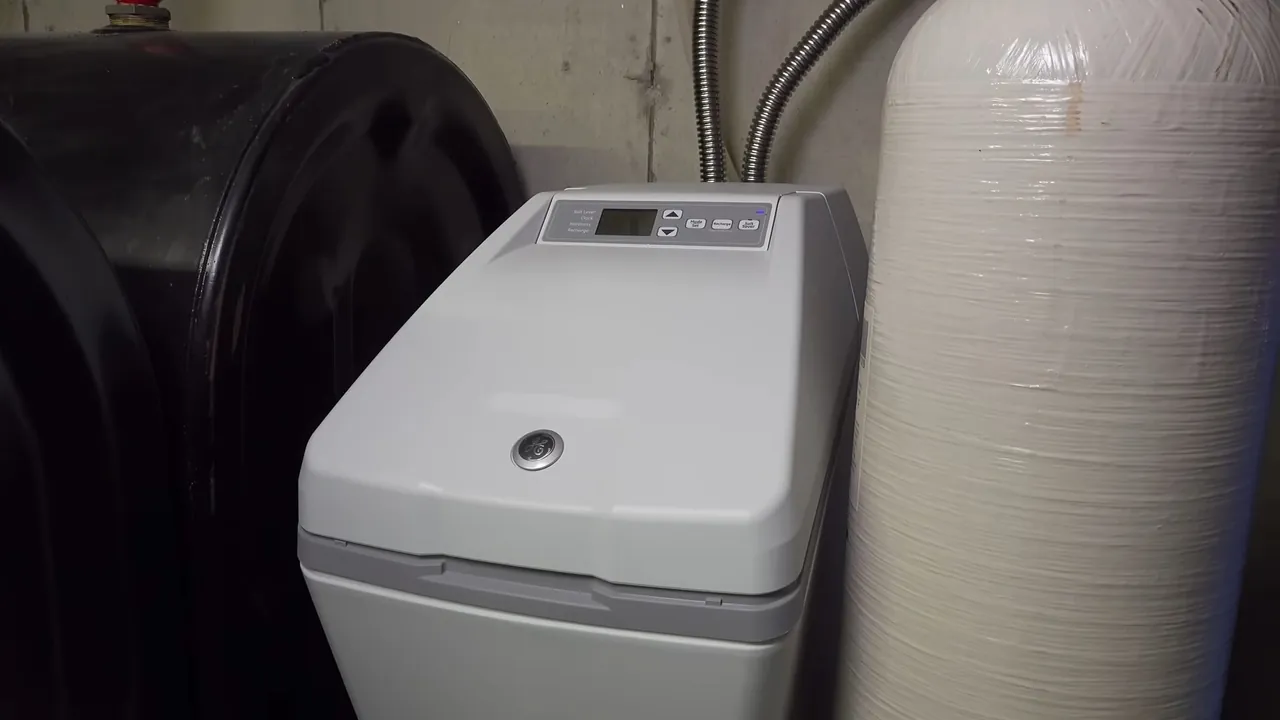
Hard Water, Ion Exchange and Sizing the Unit
Grapevine's municipal water is treated surface water from Lake Grapevine and the broader Trinity River system, and like most of North Texas it runs hard. Most households notice it as spotting on glassware, a film on shower glass, and soap that will not lather the way it does on softer water elsewhere. A softener fixes that through ion exchange, swapping the calcium and magnesium that cause hardness for sodium or potassium. That is a different mechanism from a carbon or sediment filter, and it solves a different problem.
Sizing depends on household size, actual water usage, and the hardness level measured at the property, not one standard unit sold the same way to every house. An undersized unit regenerates too often and wears its resin bed out faster than it should. An oversized one costs more upfront for no real benefit. The sizing recommendation comes from a water test at the property, not a guess based on typical county-wide figures.
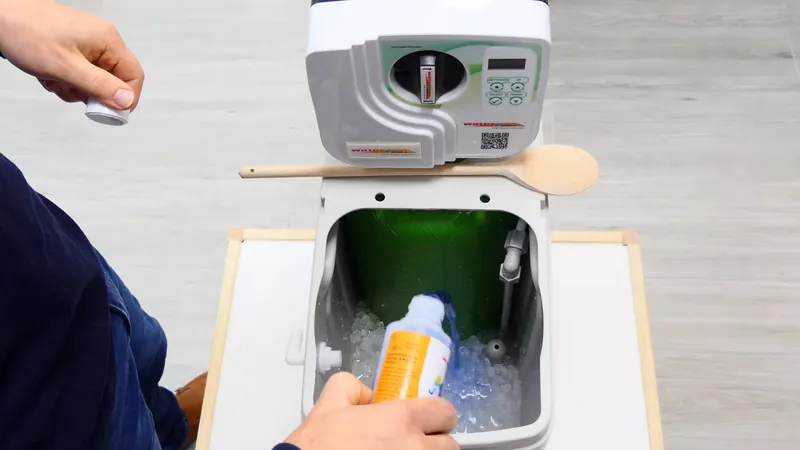
A softener that has stopped working usually shows it one of a few ways: water that suddenly feels hard again, salt bridging in the brine tank where the salt has crusted into a solid mass above the waterline instead of dissolving, or a resin bed fouled by iron or sediment in the supply. Each has a different fix, from a simple brine tank cleaning to a full resin bed swap. Diagnosis starts with a hardness test on the output water, not an assumption that the whole unit needs replacing.
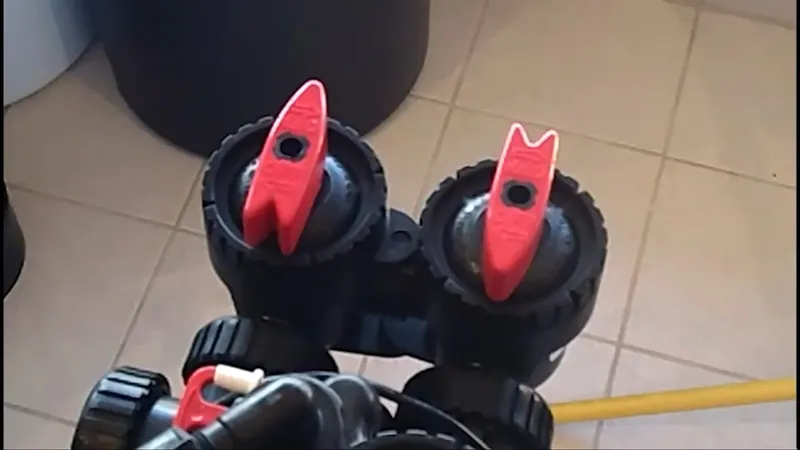
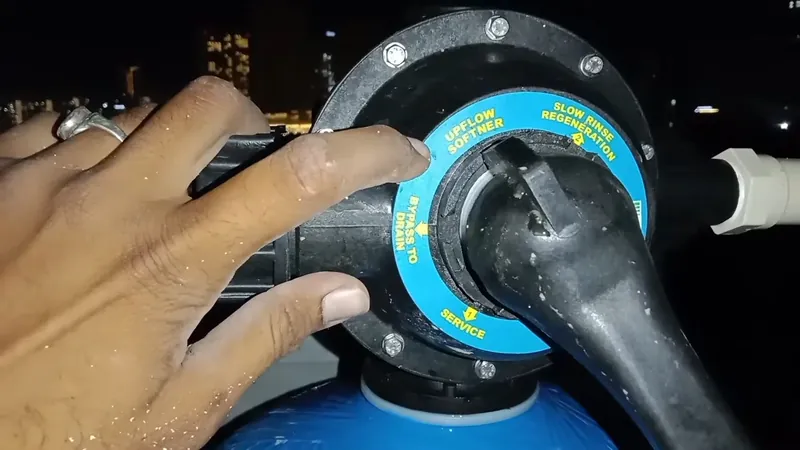
Installation includes a bypass valve as standard. It lets the softener come offline for service or a salt refill without cutting water to the house. The regeneration cycle's discharge line gets routed to meet local code, typically a floor drain or an approved outdoor point with the required air gap, not straight into a sanitary line.
Salt type and usage stay part of the conversation after installation, not just a one-time setup detail. Pellet salt is standard for most residential brine tanks. A household's salt use tracks directly with water usage and hardness level, which is why the sizing conversation also sets real expectations for how often the brine tank actually needs a refill.
A typical whole-house softener for a three- or four-bedroom Grapevine home runs on a brine tank refill cycle of roughly four to six weeks under normal use, and most homeowners settle into checking it on a set schedule rather than waiting for a noticeable drop in water quality to remind them. Installation itself, on a typical single-family supply line, is usually a half-day job start to finish, with water back on well before the visit ends.
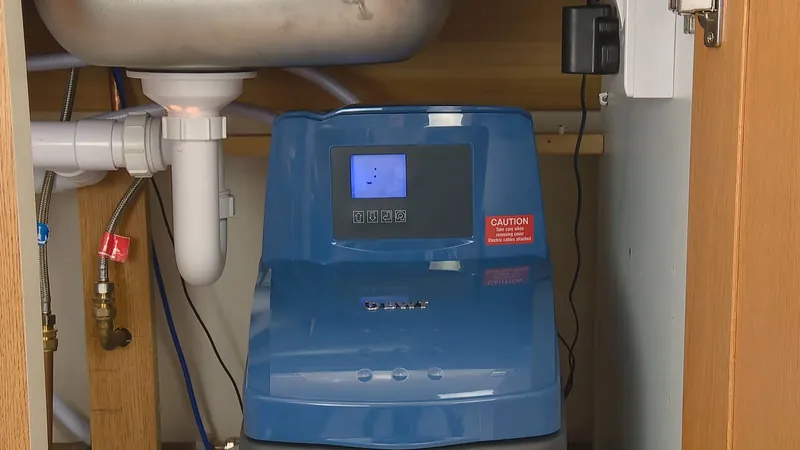
Hardness Test First, Then Brine, Resin and Valve
A new installation starts with a water hardness test at the property rather than a number pulled from a general area average, and the sizing conversation follows from that actual reading plus household size. On a repair call, the technician checks the brine tank, the resin bed, and the control valve in that order, since that sequence catches the majority of softener complaints without needing to replace the whole unit. Where the resin bed itself has been fouled by iron or sediment rather than simply exhausted, a resin cleaner treatment is tried before a full resin replacement is recommended.
Why a Softener Pays Back on Older Plumbing
The hardness level feeding Grapevine's system varies somewhat through the year with lake levels and treatment adjustments, but it stays firmly in the hard-to-very-hard range essentially year-round, which is part of why a softener here earns back its cost through extended water heater and fixture life in a way it would not in a naturally soft-water market.
Homes closer to Lake Grapevine and the older sections of the city, where cast iron and galvanized plumbing is more common, tend to show more visible mineral buildup on fixtures than newer homes with PEX plumbing, because the older pipe materials give mineral deposits more surface area to cling to along the way. A softener installed on one of these older properties is also one of the more effective ways to slow further mineral accumulation inside plumbing that cannot easily be replaced without a larger renovation.
Filtration and Taste Problems Are a Different Page
This page covers softener install and repair, the hardness side of water treatment. Contaminant and taste-and-odor filtration, carbon, reverse osmosis, and sediment systems, is a related but different problem covered on Water Filtration & Purification instead.
Reading Your Hardness Number Before Buying
The City of Grapevine's 2024 water quality report lists total hardness at 117 ppm for the water Grapevine produces and 135 ppm for the water it buys from the Trinity River Authority. Dividing by 17.1 gives roughly 6.8 and 7.9 grains per gallon. On the common USGS scale, water between 61 and 120 mg/L is moderately hard and water between 121 and 180 mg/L is hard.
Which supply serves an address can differ, so a test at your own tap is more useful than a citywide figure. These questions turn the number into a decision.
- Is the scale on fixtures and in the heater a real nuisance, or is the water only moderately hard for this household?
- Does a salt-based softener or a salt-free conditioner fit what you want? They do different jobs.
- How large is the household, since that sets the capacity and how often the unit regenerates?
- Does the quote include the bypass valve, the drain connection and the electrical outlet?
- Where will the salt be stored and who will refill it?
Softener Calls Beyond Grapevine
In addition to Grapevine, routine coverage includes the Colleyville area, Southlake homes, Flower Mound addresses. Call with your ZIP code and the dispatcher will confirm whether an address is covered. See the towns we cover for the list of towns with their own pages.