
Water Filtration in Grapevine, TX: Chloramine Taste, Sediment or Drinking-Water Quality?
Whole-house carbon filtration for the taste and odor of chloramine-treated city water, under-sink reverse osmosis for drinking water, or a sediment pre-filter, each a different answer to a different water-quality complaint.
Filtration Versus Softening: Which Problem Do You Have?
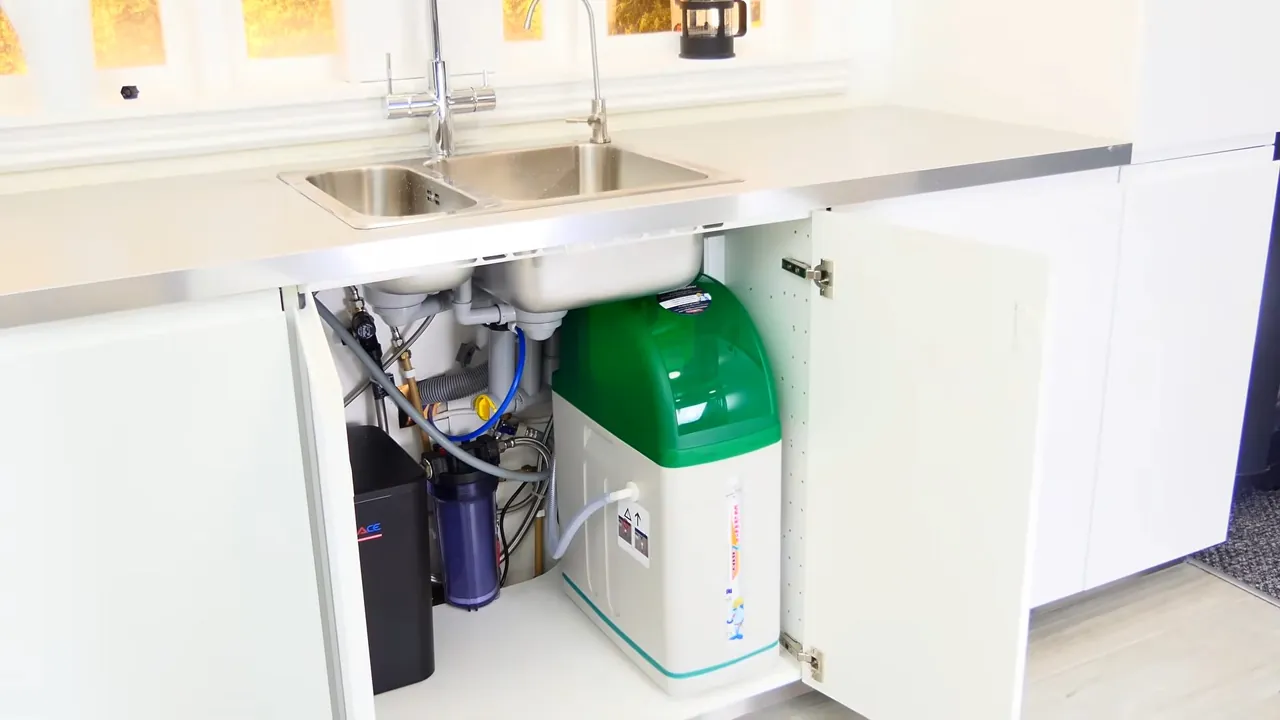
Filtration and softening solve different problems, even though people lump them together as water treatment. A softener removes the calcium and magnesium that cause hardness. Filtration addresses what is actually in the water beyond hardness: chloramine taste and odor from municipal treatment, sediment carried through the distribution system, and, for drinking water specifically, a wider range of dissolved contaminants that reverse osmosis targets but a basic carbon filter does not. Choosing a water filtration system in Grapevine starts with the complaint, not the product. The City of Grapevine's 2024 water quality report lists chloramines as its disinfectant, so ask whether a carbon filter is rated for chloramines and not only for chlorine taste.
A whole-house carbon system is the common answer to a general taste-and-odor complaint, the disinfectant smell in shower water being the most frequent one. It installs at the point where water enters the home so every fixture benefits, not just one tap. A sediment pre-filter often gets paired with it on older plumbing, since a carbon filter alone can clog faster than expected when there is real sediment in the supply ahead of it.
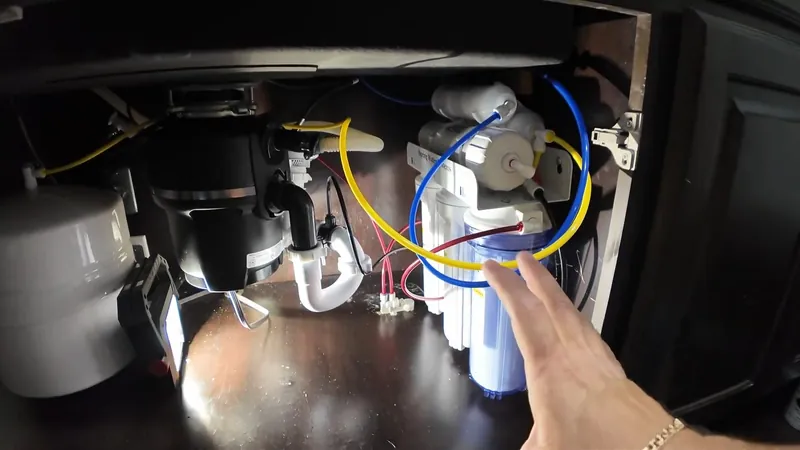
Reverse osmosis is more targeted, almost always installed under a single sink for drinking and cooking water rather than the whole house. The process is slower and sized for drinking-water volume, not whole-house flow, but it handles a broader range of dissolved substances than carbon alone. That is why it is the usual choice for a household specifically worried about drinking water quality rather than general taste and odor.
UV purification is a narrower add-on, aimed at neutralizing bacteria and microorganisms rather than improving taste or removing minerals. It matters more for a property on a private well than one on Grapevine's treated municipal supply, though it does come up for a household wanting an extra layer of assurance on drinking water specifically.
Filter and membrane maintenance gets explained at installation, not left as a surprise months later. A whole-house carbon filter's media needs periodic replacement on a schedule tied to household usage. A reverse osmosis system's membrane and pre-filters follow their own, usually longer, interval. Both are simple swaps once scheduled, and skipping that maintenance is the most common reason a filtration system stops performing the way it did on day one.
A whole-house carbon system typically installs in the $800 to $1,800 range depending on capacity and whether a sediment pre-filter gets added at the same time. An under-sink reverse osmosis unit usually runs $400 to $900 installed. Replacement filters and membranes cost far less than either install and get priced individually once the specific system and household usage are known.
Start With the Complaint: Carbon, RO or Both
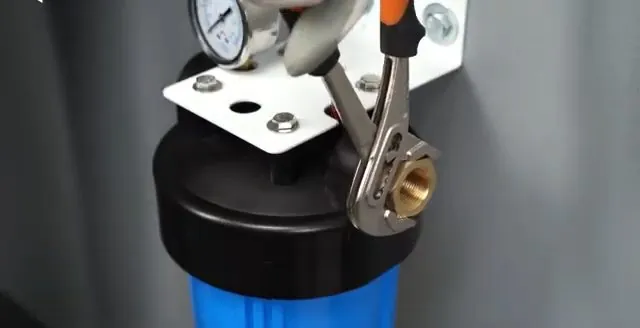
A consultation starts with what the actual complaint is, taste, odor, sediment, or a specific concern about drinking water quality, since that determines whether a whole-house carbon system, an under-sink reverse osmosis unit, or both together is the right answer. Installation is scoped around existing plumbing access, under a kitchen sink for reverse osmosis or at the main supply line for a whole-house system, and filter or membrane replacement intervals are explained at installation rather than left for a homeowner to guess at later. A household already running a softener gets the two systems coordinated so they work together rather than one undermining the other's effectiveness.
Municipal Water, Taste Complaints and Honest Expectations
Grapevine's municipal water is treated and tested to meet state and federal drinking water standards, so filtration here is driven by taste, odor, and household preference rather than a safety concern with the supply itself, which is a different conversation than it would be for a property on a private well or an older, untreated source. That distinction is worth stating plainly at the consultation stage, since it shapes which systems actually make sense rather than overselling filtration as a safety necessity it is not.
Taste and odor complaints can start without any change to a household's own plumbing, because the disinfectant is added at the municipal level. The 2024 report lists chloramines at an annual average of 2.55 ppm, so a household that notices a sudden change can ask the city's water operations line at 817-410-3330 whether anything changed before choosing equipment. A filtration consultation that starts with that question comes before any equipment recommendation. Homes that already run a softener for hardness sometimes still notice taste or odor complaints afterward, since softening and filtration address different things, and that overlap is one of the more common reasons a household calls about filtration after already having a softener installed.
Hardness Treatment Goes to the Softener Page
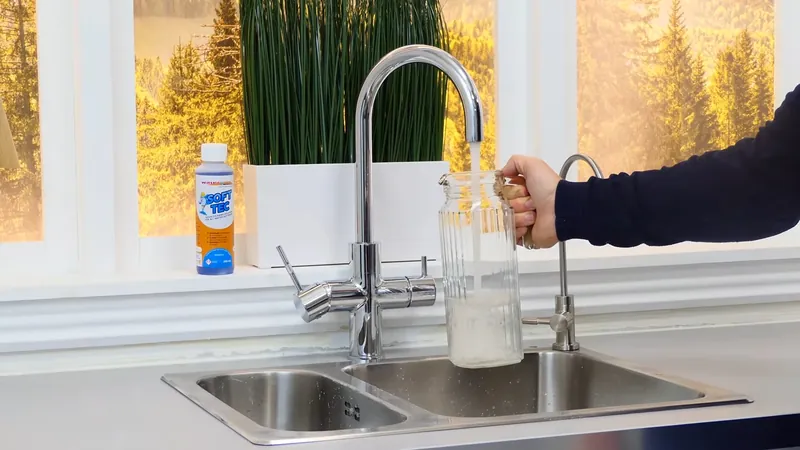
Hardness-specific treatment, softening the water rather than filtering it, is covered on Water Softener Installation & Repair instead of this page. The two are often installed together but solve different problems, and this page focuses on taste, odor, sediment, and drinking-water quality specifically.
Match the Filter to the Water Report
Before choosing a filter, decide what it is meant to remove. The City of Grapevine's 2024 water quality report lists chloramines as its disinfectant, with an annual average of 2.55 ppm. Many standard carbon filters handle chloramine less well than they handle chlorine, so it is worth asking what the cartridge is actually rated for.
- What problem are you solving: taste, odor, a specific contaminant or sediment?
- Is a point-of-use unit at the kitchen tap enough, or does the whole house need filtering?
- Does the product carry NSF/ANSI certification for the claim being made? Standard 42 covers taste and odor, 53 covers health-related contaminants, and 58 covers reverse osmosis.
- How often does the cartridge need replacing, and where can it be bought?
- For reverse osmosis, where will the drain line and the storage tank go?
Hardness is a separate question and belongs with the softener decision.
Filtration Calls Beyond Grapevine
Working out of Grapevine, this team also covers Colleyville, Southlake, TX, Coppell on the usual schedule. Call with your ZIP code and the dispatcher will confirm whether an address is covered. Browse the towns we serve to find your town's own page.