
Whole-House Repiping in Grapevine, TX: Patch Another Leak or Replace the Lines?
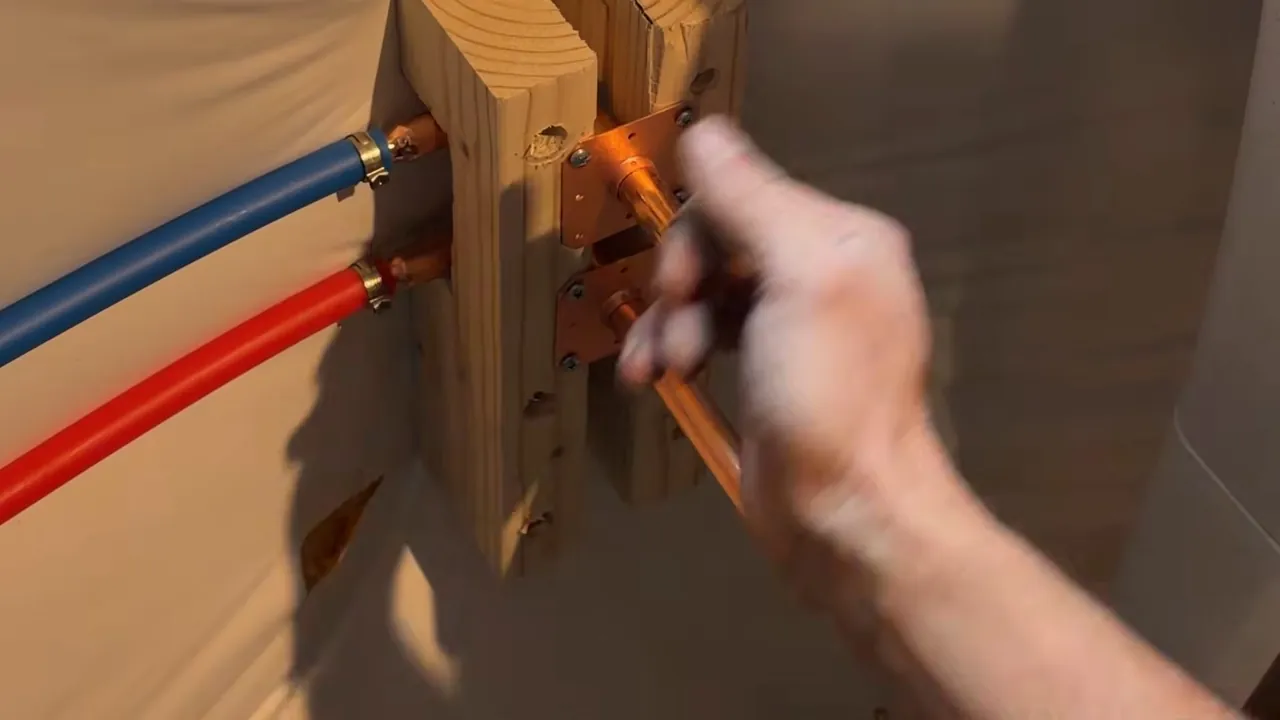
New PEX or copper supply lines run through the attic and walls to replace galvanized or corroded piping throughout the house, scheduled as a planned job rather than an emergency repair.
Repeat Leaks, Low Pressure and Corroded Lines: When Repiping Wins
A whole-house repipe replaces every supply line in the home, not just the one that failed. We recommend it when a house keeps patching the same kind of leak, when water pressure has dropped house-wide rather than at one fixture, or when a line opened up for an unrelated repair turns out corroded well beyond that one spot. Patching a single failure on a pipe nearing the end of its service life usually just delays the next one.
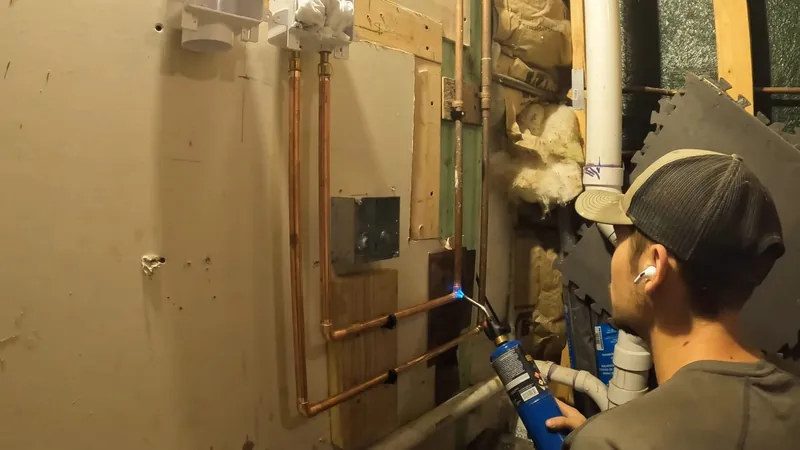
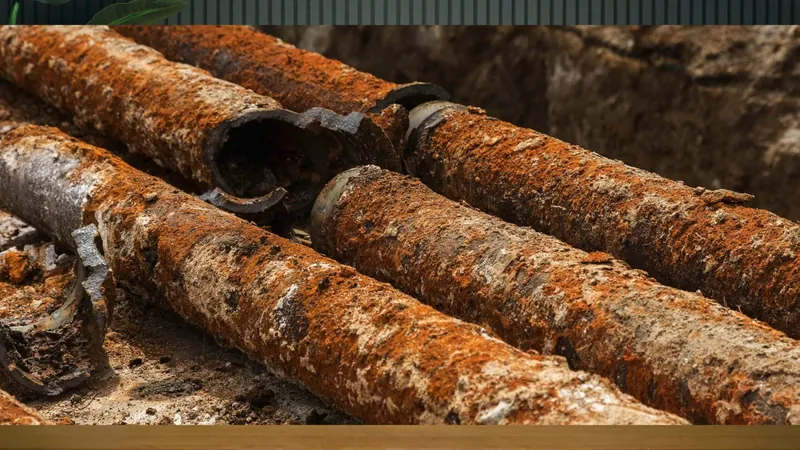
Galvanized steel pipe, common in homes built before the mid-1960s, corrodes from the inside out. The outside of the pipe can look fine while the inside has narrowed down to a fraction of its original diameter, which shows up as weak pressure throughout the house well before a visible leak does. Copper fails differently, usually as a pinhole leak from pitting, often where water sits in a line that does not get used often.
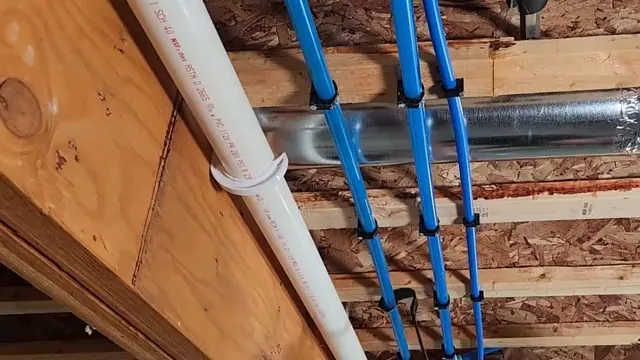
PEX is the standard replacement material on most repipes today. It runs through the attic and down through interior walls rather than through the slab, which means the job does not require breaking concrete the way a slab leak repair sometimes does. Some households choose copper again for their own reasons, and we discuss that choice at the estimate rather than assume it.
The job runs as a reroute, new lines run overhead and the old ones abandoned in place or capped, not a line-by-line swap inside the existing walls. Drywall opens only where a new line has to come down to a fixture, and we map out those cuts at the estimate so there are no surprise openings once the work is underway.
A typical single-story home finishes in two to three days. A two-story home, or one with a complicated fixture layout, can run three to five days, since drywall access from above does not reach every fixture the same way it does on a single level. Water gets shut off section by section as the work moves through the house rather than for the entire job at once, so the household is rarely without any water for a full day.
A whole-house repipe runs $4,500 to $11,000 depending on square footage, number of bathrooms, and whether it is a single-story slab home or a two-story home with more drywall to open and close. We confirm that range, and what specifically drives a given home toward either end of it, at the walk-through before anyone signs a contract.
Walk-Through, Plan and Rough-In Inspection
A repipe estimate starts with a walk-through of the attic and the fixture layout, not a quote given over the phone, since the drywall access and routing depend on how the specific house is framed. The plan, which lines move first, which rooms lose water on which day, and where drywall will need to be opened and patched, gets laid out before the first cut is made. A rough-in inspection happens under Grapevine's current plumbing code before the new lines are closed up behind drywall, and that inspection is built into the schedule rather than treated as an afterthought.
Repiping Prep: Four Things to Do Before the Crew Arrives
- Clear a path to the attic access and to any crawlspace or utility closet the crew will need to reach.
- Note which fixtures already drip or run slow, since that history helps prioritize the rerouting plan.
- Move furniture and stored items away from walls on the side where new lines are likely to run.
- Plan for water being shut off to one section of the house at a time, not the entire home, on each day of the job.
Galvanized Supply Lines in Historic-Era Homes
Grapevine's older homes, concentrated around Historic Main Street and the neighborhoods that grew up around the original townsite, are more likely to still carry galvanized supply lines than the newer construction further from downtown. A house from that era that has not been repiped yet is usually not far from needing it, and a pressure test during an unrelated service call often turns up the first real evidence of it.
Mineral buildup narrows an already-corroding galvanized line further, which is one reason galvanized pipe tends to restrict flow before it leaks. A repipe conversation sometimes starts as a water heater or softener consultation once a technician notices pressure or corrosion that points to the supply lines rather than the appliance.
Single Slab Leaks and Sewer Relining Go Elsewhere
This page covers replacing the home's supply lines throughout the house. A single leaking line under a slab, repaired or rerouted in place rather than replaced house-wide, is covered on Slab Leak Detection & Repair. Relining an existing sewer or drain line without replacing supply piping is covered on Trenchless Pipe Lining & Relining.
What a Repipe Quote Should Spell Out
A repipe changes every supply line in the house, so the quote should read like a plan and not a single number. Ask for these items in writing before agreeing to start.
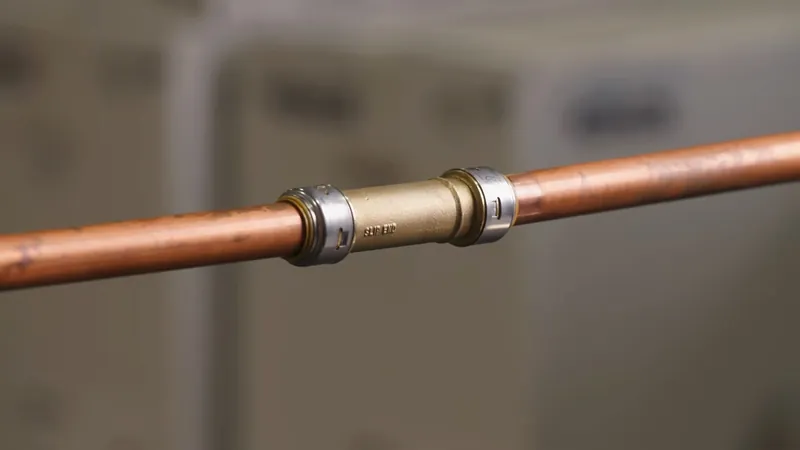
- The pipe material, such as PEX or copper, and the type of fittings used.
- Which walls, ceilings or floors will be opened, and who patches and paints afterward.
- How many fixtures are included, and whether the water heater connections and shutoff valves are part of the job.
- Who pulls any city permit and arranges the inspection.
- How many days the house will be without running water, and what the plan is for each night.
- What warranty covers the pipe, the fittings and the labor.
If only one line has failed, a spot repair may be the better answer, and the plumber should explain why a whole-house repipe is or is not needed.
Repiping Calls Beyond Grapevine
Dispatched out of Grapevine, the same team handles calls in Southlake, TX, the Bedford area, the Euless area on the same schedule. Call with your ZIP code and the dispatcher will confirm whether an address is covered. See the towns we cover for the list of towns with their own pages.