
Toilet Repair in Grapevine, TX: Running, Silent Leak or Weak Flush?
A running toilet, a silent leak that never makes a sound but still runs up the water bill, a clog that will not clear, or a new unit set and sealed correctly the first time.
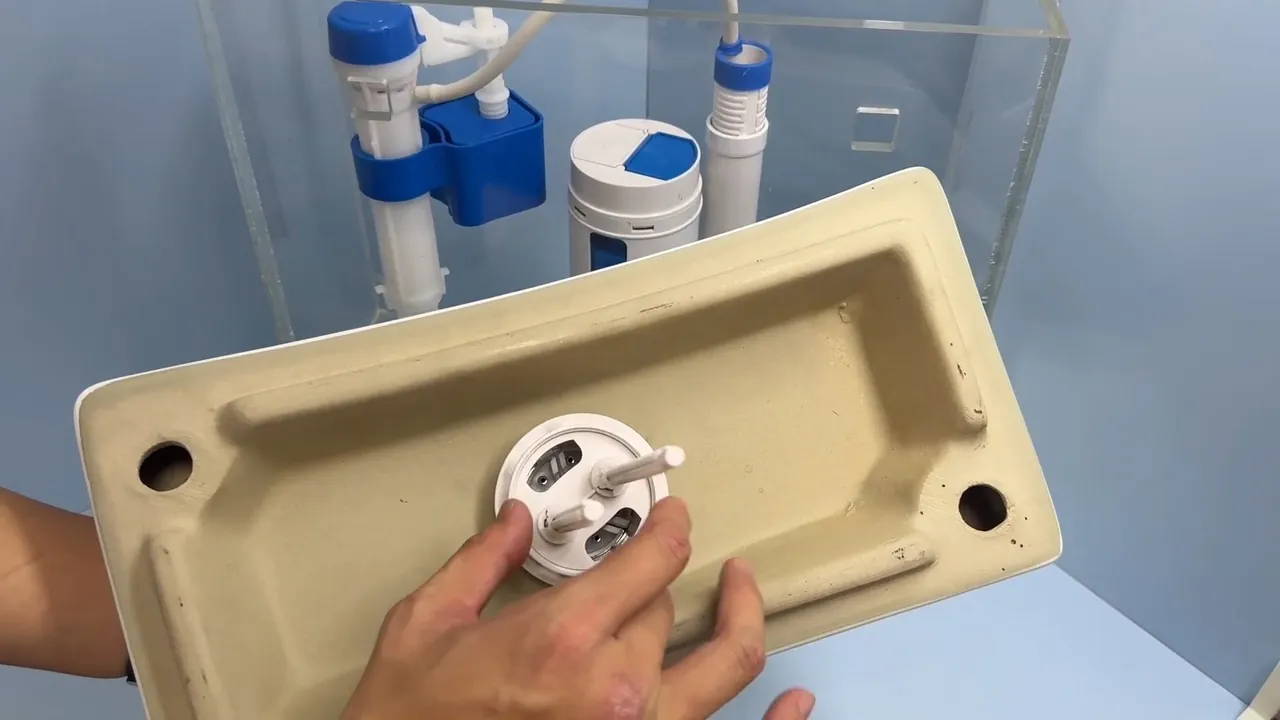
Running, Silent Leaks and Clogs That Will Not Clear
A toilet that runs on its own, nobody touched the handle, is almost always a flapper that no longer seals against the flush valve, or a fill valve not shutting off cleanly once the tank hits its set level. Both are cheap parts. But a running toilet left alone can waste hundreds of gallons a month without ever getting loud enough to notice, which is why it is worth checking even when it is not an obvious nuisance.
A silent leak is the quiet version of the same problem: water seeping past a worn flapper seal into the bowl so slowly there is no running sound, just a water bill that does not add up. The standard test is a dye tablet or a few drops of food coloring in the tank, left ten minutes without flushing. Color in the bowl confirms the leak before any part gets replaced on a guess.
A clog that will not clear with a plunger usually sits past the trap, deeper in the toilet's internal passage or just past it in the branch line. That calls for a closet auger, not more plunging. A toilet that clogs repeatedly, not just once, points to either a partial blockage further down the line or an older toilet with a narrower internal passage than current models use. Worth mentioning at the visit rather than treating each clog as its own event.
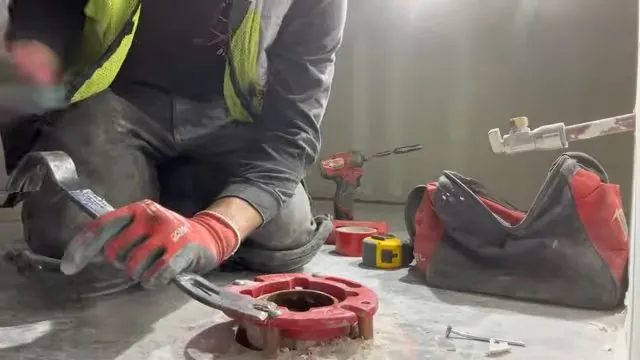
Installation and relocation jobs are quoted against the rough-in measurement, the distance from the wall to the center of the floor flange. A new toilet has to match that spacing or get special-ordered to fit it. The wax ring gets replaced on every installation, even if the old one looked fine, because a ring already compressed once will not reseal reliably on a second use. A failed wax ring is one of the more common causes of water damage at a toilet's base, showing up months after some other repair.
A toilet that rocks even slightly when someone sits down usually means the wax ring seal underneath is already compromised, not the other way around. That is worth fixing before it causes a slow leak, not after. Shimming and resecuring the toilet to the floor flange is quick when caught early. A wax ring that has already failed and let water under the base is a bigger job, one that reaches the subfloor. Most toilet repairs, running, silent leaks, a rocking base, run $100 to $250 including the part and labor, with a full installation typically landing between $300 and $600 depending on the fixture chosen.
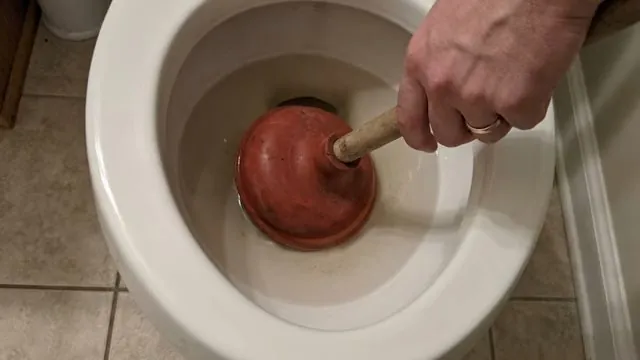
Toilet Repair: Four Complaints, Four Quick Checks
A technician starts by asking whether the complaint is running, clogging, leaking at the base, or weak flushing, since each has a distinct and usually quick fix. Running and silent-leak repairs are typically a single visit with parts carried on the truck. A persistent clog gets an auger before anything more invasive is considered. An installation or relocation is scoped against the existing rough-in and water supply line before a new toilet is ordered, so there are no surprises once the old one is out.
Old High-Flow Toilets and Scale in the Flush Passage
Grapevine homes built before the early 1990s commonly still have older three-and-a-half or five gallon-per-flush toilets, well above the 1.6 gallon federal standard that has applied to new fixtures for decades, and well above the 1.28 gallon high-efficiency models common today. A straight swap to a modern low-flow model is one of the more cost-effective fixture upgrades available on an older property, both for the water bill and for reducing strain on an aging supply line.
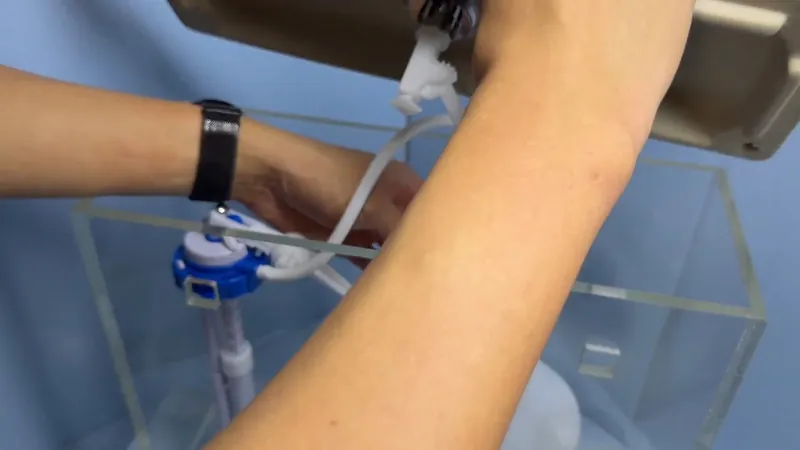
Mineral scale can build up inside a toilet's fill valve and flush passage as it does elsewhere in the plumbing, and a toilet that flushes weakly without any visible clog is often a scale-narrowed flush passage rather than a clog at all. That is a different fix than clearing a true blockage, and it is checked before a clog is assumed.
Supply Valve Leaks Go to the Faucet and Sink Page
A toilet is covered here in full, including clogs, which stay on this page rather than moving to drain cleaning service so the two pages are not competing for the same search intent. A leak at the supply line valve feeding the toilet, rather than the toilet itself, is a quick sink and faucet repair fix instead.
Repair or Replace: Four Questions About the Toilet
Most toilet problems are small parts. A few questions help tell a small repair from a toilet that has reached the end of its life.
- How old is the toilet, and how many gallons per flush does it use? Older high-flow models cost more to run and parts get harder to find.
- Is the leak at the tank bolts, the supply line, or the base? Water around the base points to the wax seal or the flange.
- Is the floor around the base soft, stained or sagging? Stop using the toilet and get the subfloor checked before anything is reset.
- Are the fill valve and flapper the only worn parts, since those are inexpensive and quick to replace?
If the toilet rocks, the problem is usually the flange or the floor beneath it, and a new bowl alone will not fix it.
If you are unsure whether the problem is a part or the whole toilet, describe when it happens, such as after flushing, overnight or only when the tank refills, and the plumber can narrow it down before arriving. Write down the make printed inside the tank lid if you can find it.
Toilet Calls Beyond Grapevine
Grapevine crews also answer calls from Southlake addresses, Coppell addresses, the Hurst area without an extra trip charge for being outside city limits. Call with your ZIP code and the dispatcher will confirm whether an address is covered. The service area page lists the towns with their own pages.